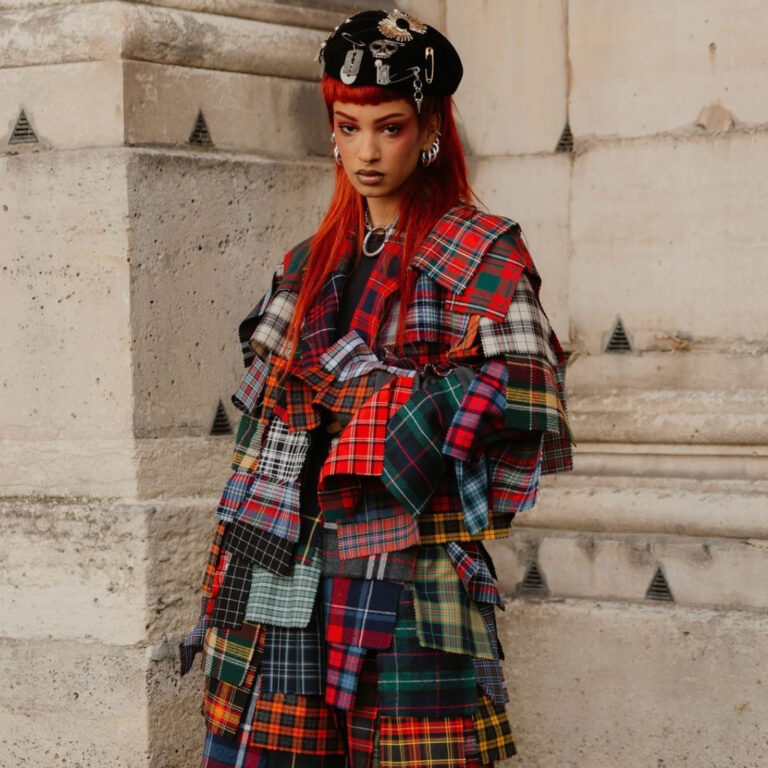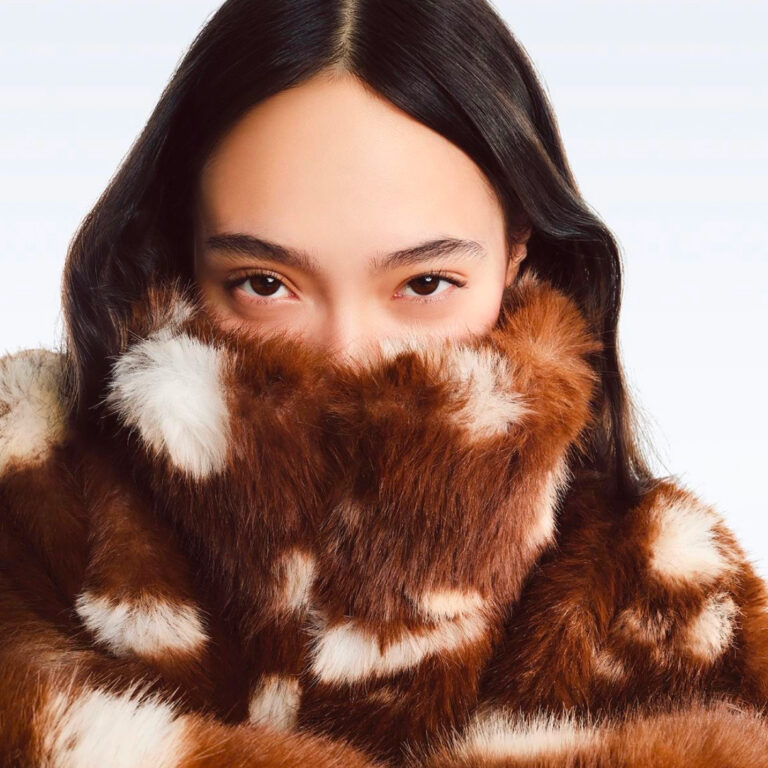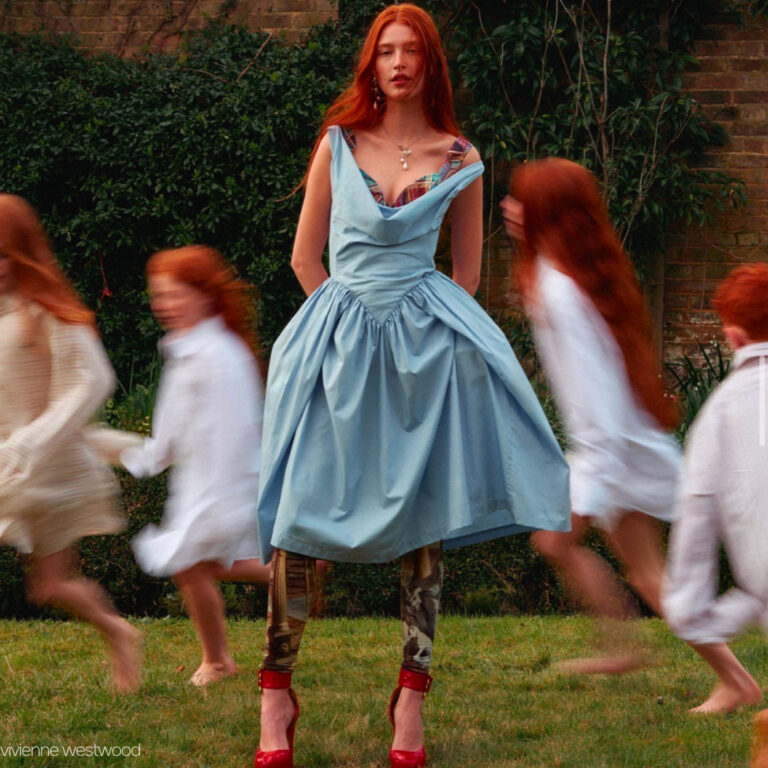
Personal style is about habits, lifestyle, visual influences and being mindful of your own sensibilities. Modern style is built on a combination of practicality and aesthetics. It adapts to your pace, your routes, your preferences. That is why today's wardrobe ceases to be a collection of random things. It becomes a thoughtful system that shapes comfort and expression. It consists of a repeating logic. When this logic is understood, the wardrobe works as a holistic structure: each thing fits into the context of life.
Personal style has long since moved beyond a simple list of things. Let's look at the main pillars that help create your own style and keep it in focus.
The rhythm of life as the basis of style
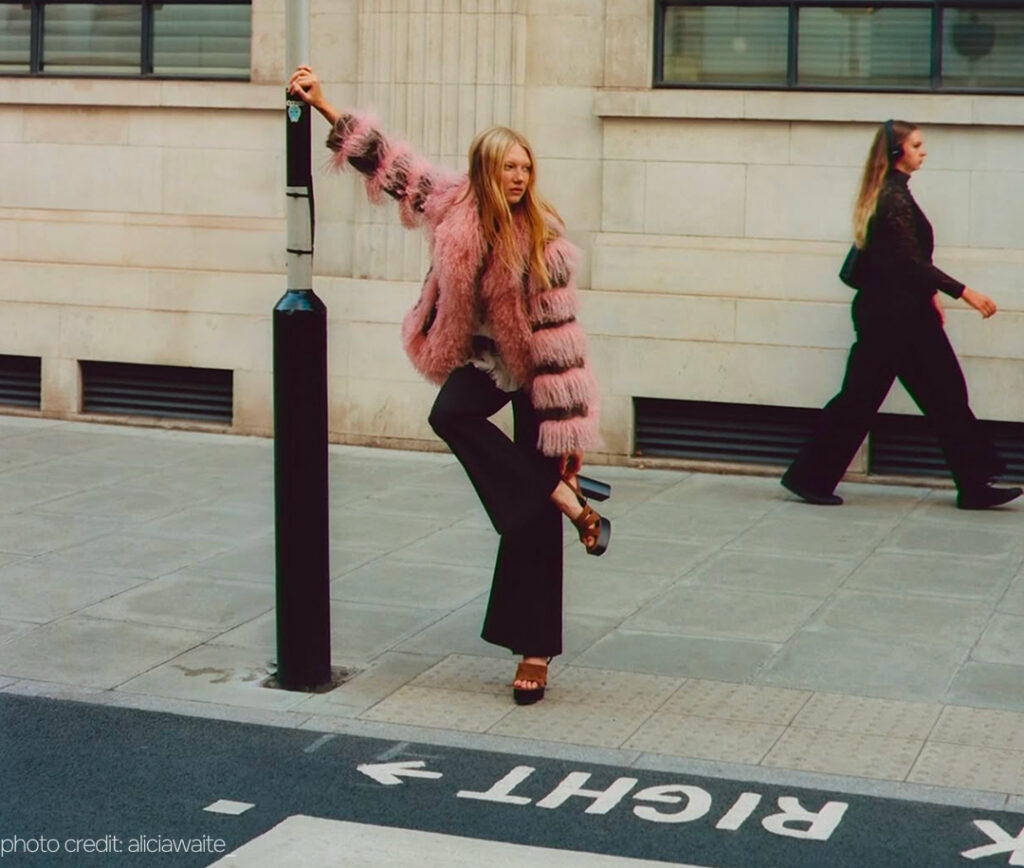
The rhythm of the day shapes your aesthetics. If you move around the city a lot, a comfortable silhouette that doesn't restrict movement becomes important. If you spend time in different environments — the office, meetings, travel — a wardrobe works through versatile pieces that are easy to adapt.
The rhythm of life is responsible for:
type of shoe, that suits your dynamics
silhouette of outerwear, which maintains comfort in motion
materials, who keep up the pace
bags, combined with daily routes
Style becomes a natural extension of your schedule. When you consider your pace, things stop conflicting with each other and work in harmony with your day.
Inspiration that shapes taste
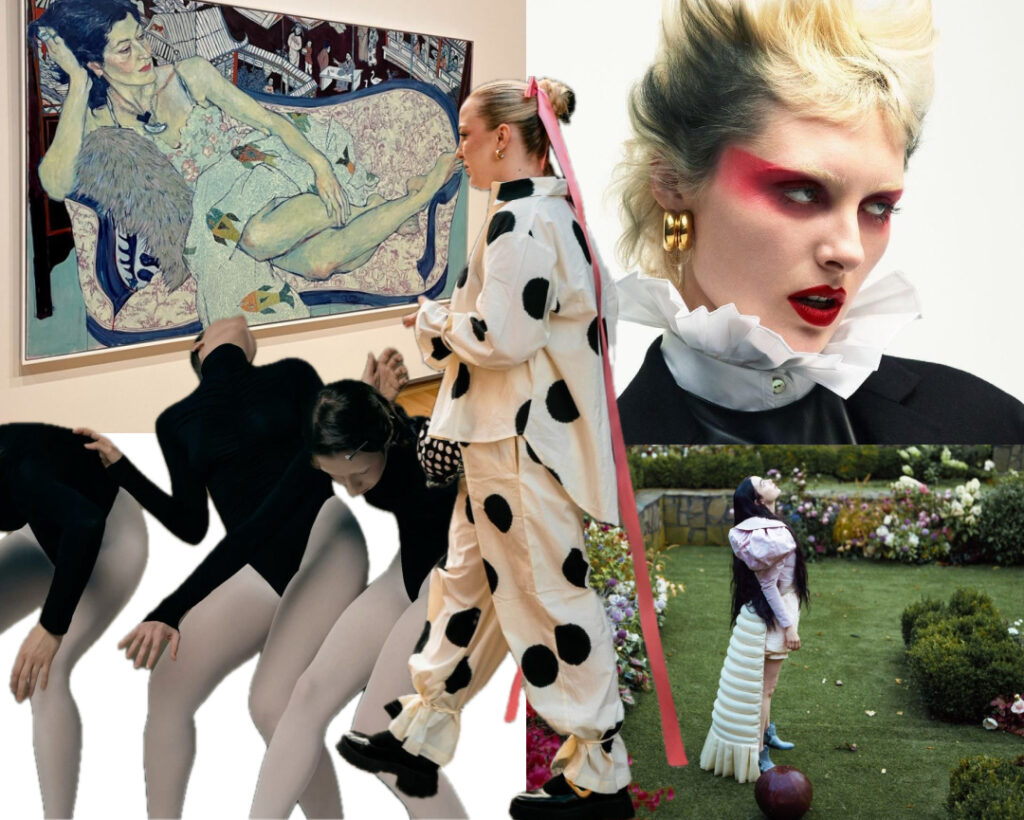
Personal style develops when you observe. You don't repeat, you analyze. Why a certain look is attractive, what its shape is, how the fabric moves, what creates the "wow" effect.
Inspiration becomes a tool:
it helps you see what proportions emphasize your figure
What shades create the right mood?
What silhouettes shape the features you like?
What moods are close to you - restrained, expressive or balanced?
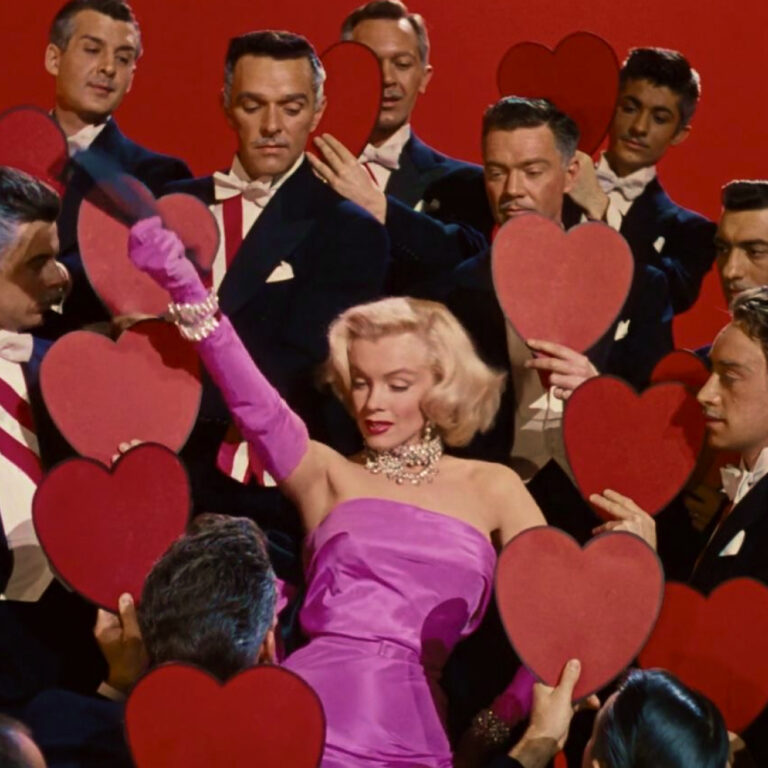
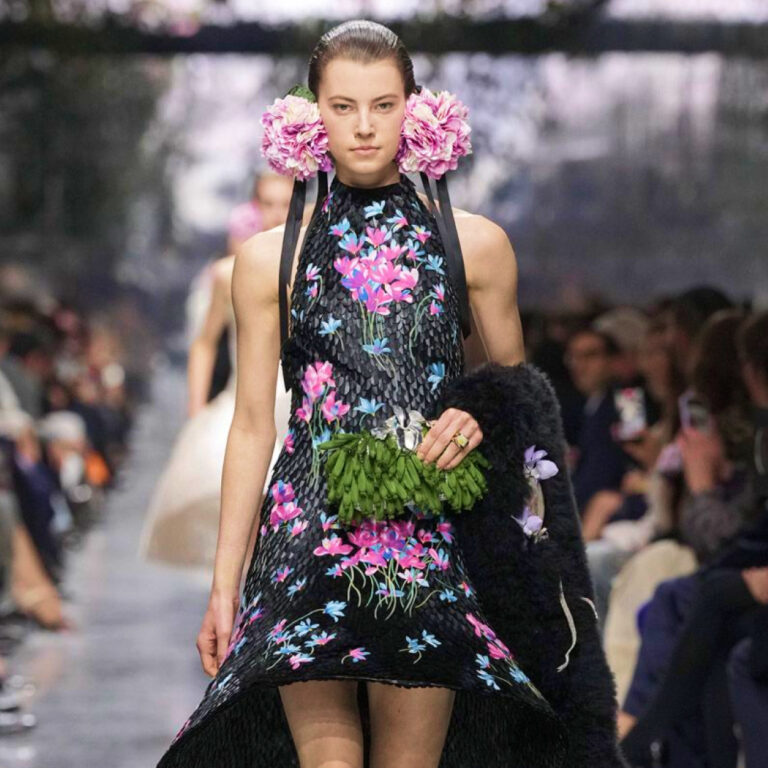
Cinema, music, architecture, travel, archival displays, city streets — these are tools for developing visual sensitivity. When you observe proportions, colors, lines, and the movement of fabrics, you begin to see what is closest to you. This is how your own visual vocabulary is formed — the basis for your personal style.
Inspiration works most accurately when you read the logic of the image: color accents, the rhythm of the silhouette, the atmosphere.
The media sets the pace, you set the focus
Trends exist in the rhythm of the moment. They create a flow of rapidly changing looks. Personal style is maintained when you keep your own focus.
A useful guide is to filter information through four categories:
silhouettes, that support your plastic;
materials, that match your rhythm;
colors, working with skin tone and energy;
moods, that you want to transmit.
When you define your own criteria, trends stop influencing you randomly — they either strengthen you or pass you by.
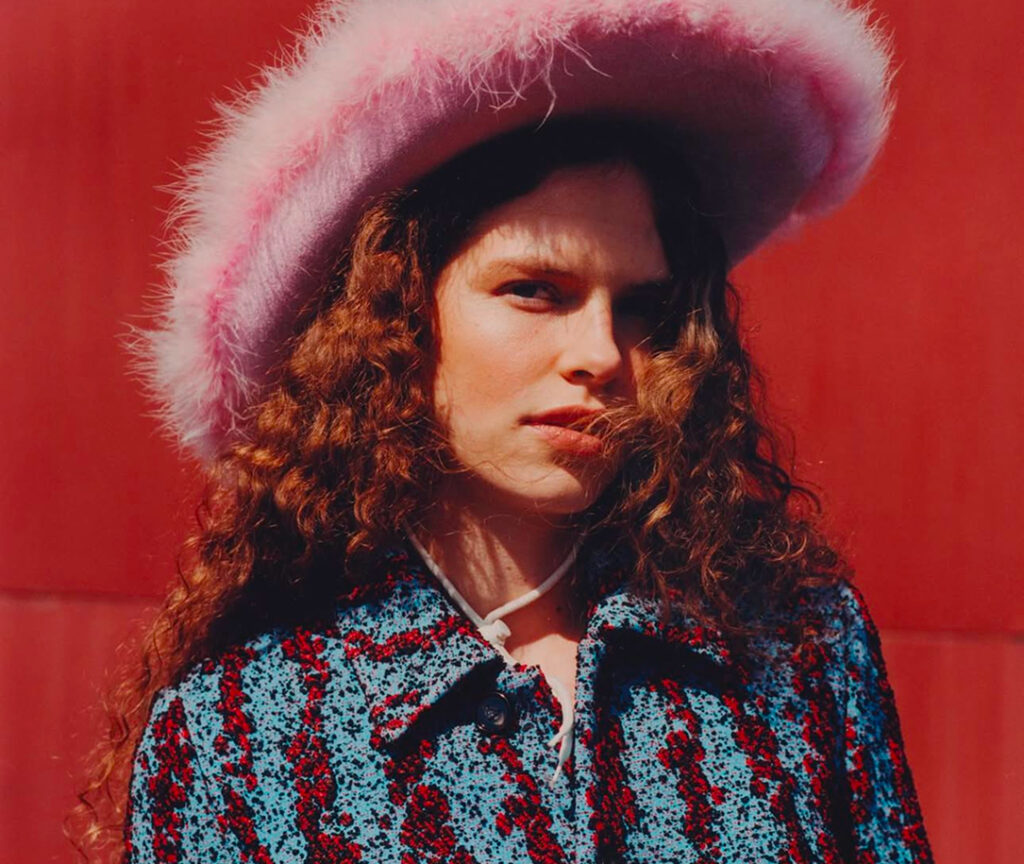
Personal style codes
Your own codes are the stability and character of your wardrobe. There can be three, five, or a little more. The main thing is repeatability; when the codes are stable, the looks are easily structured.
Codes can be:
a certain material (wool, leather, denim, knitwear)
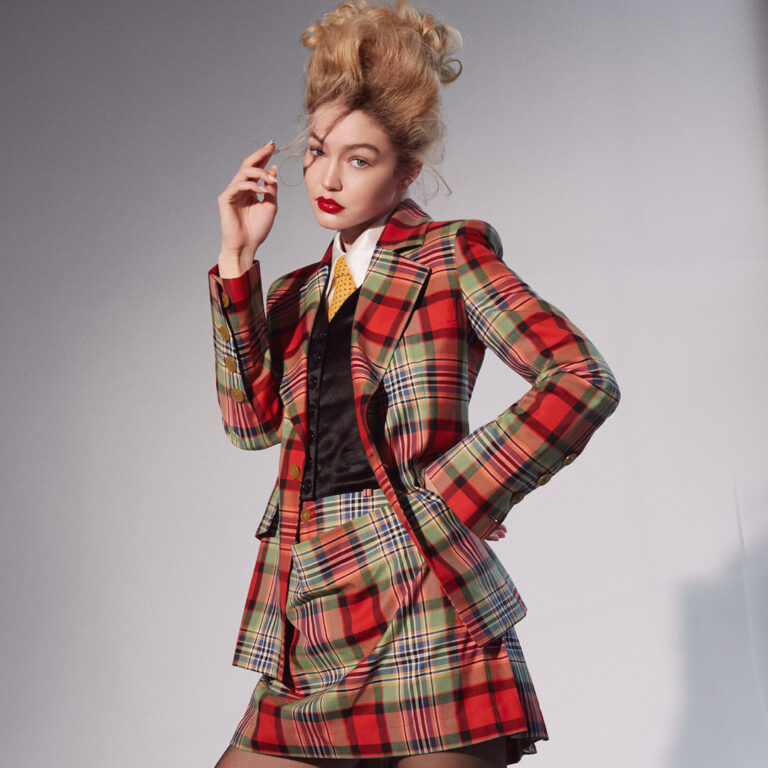
shape (bulky shoulders, elongated lines, soft plastic)
color (your neutral, your accent, your warm or cool tone)
accessory (a certain shape of a bag, decoration, element of visual language)
structural detail (belt, collar, sleeve length)
These codes act as guidelines. They keep your style in focus, make your wardrobe consistent, and help you build your looks around yourself, not around trends.
Personal codes over time become your “signature” — structured, recognizable, and holistic.
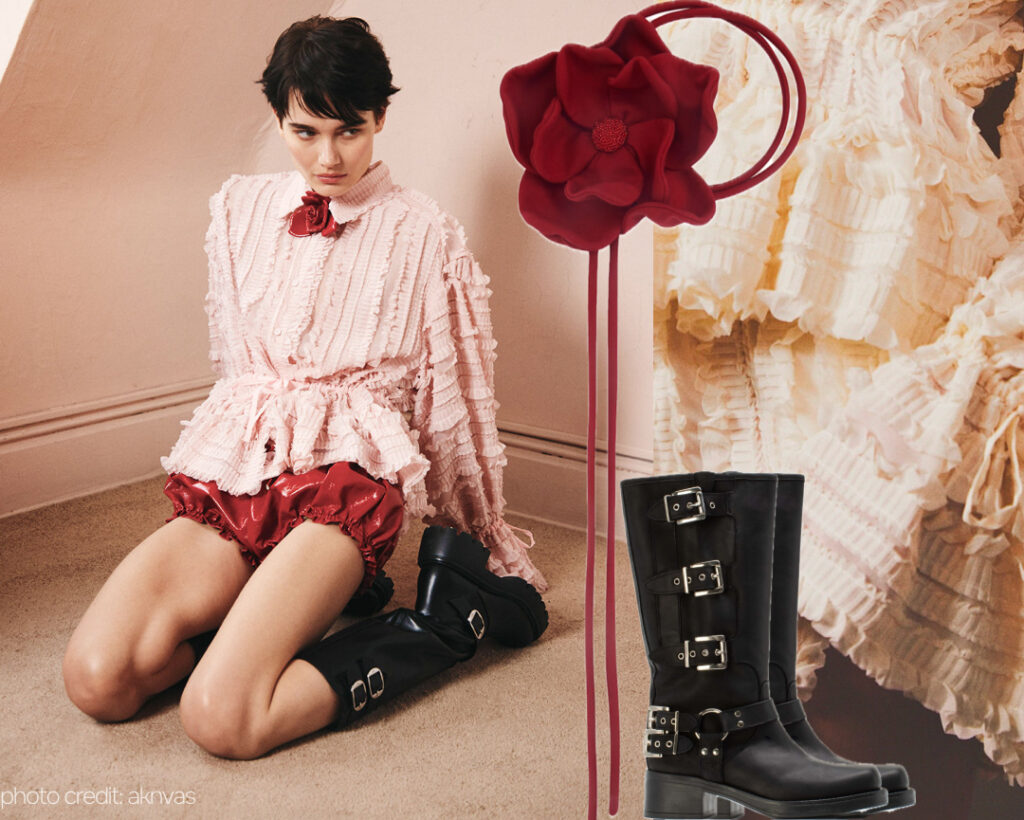
Wardrobe formula for the season
It's easier to create a seasonal wardrobe if you have a clear formula. It helps you avoid chaotic shopping and keeps your style in order.
A useful formula consists of items that are easy to combine, work with most of your silhouettes, fit your lifestyle, add character through accent details, and reinforce your personal codes.
A typical formula has:
key outerwear that matches your silhouettes
shoes that match the routes
a neutral base for combinations
an accent that sets the mood
1–2 silhouettes that shape the structure of the season
The formula creates a framework within which each new item easily finds its place. A basic outerwear, favorite shoes, a structuring accent, and a few versatile silhouettes create a wardrobe that looks put-together every day.
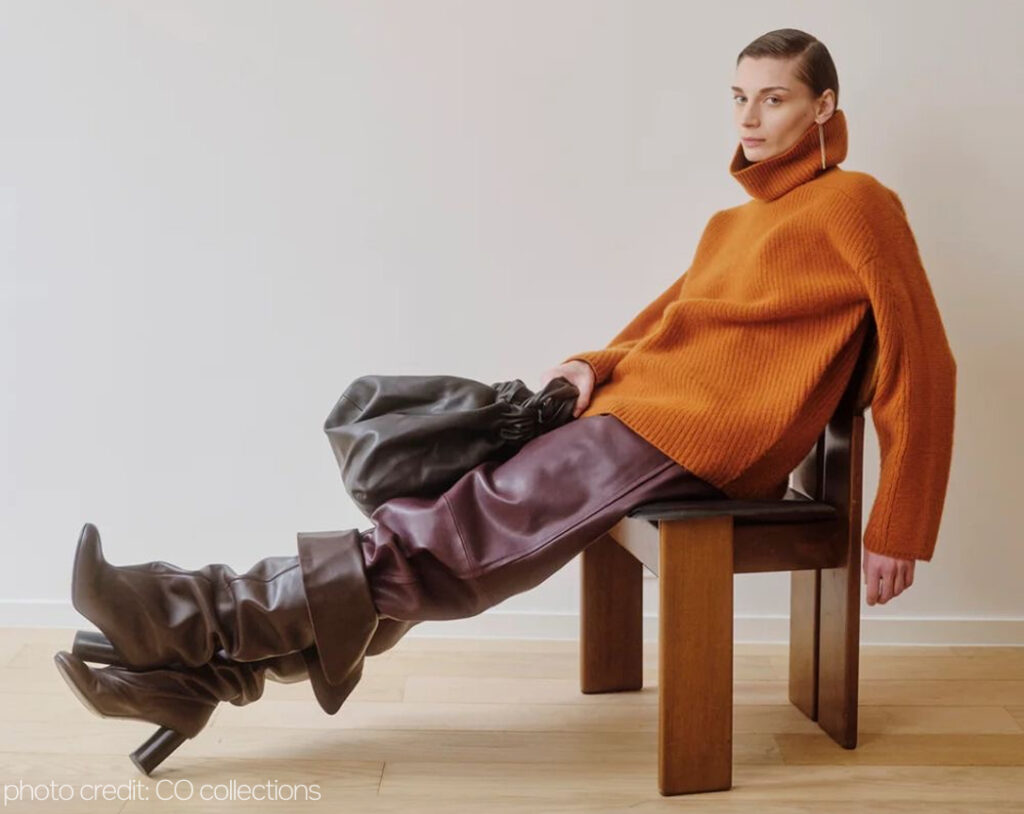
Update your style without shopping
Personal style is active even without new things. Try working with what you already love:
another way of draping fabric
new shoes for a familiar silhouette
scarf or jewelry as an accent
new combinations with favorite things
changing proportions through rolling, buttoning or layering
Such solutions expand the possibilities of your wardrobe, activate creativity, and give you a deeper sense of your own style.
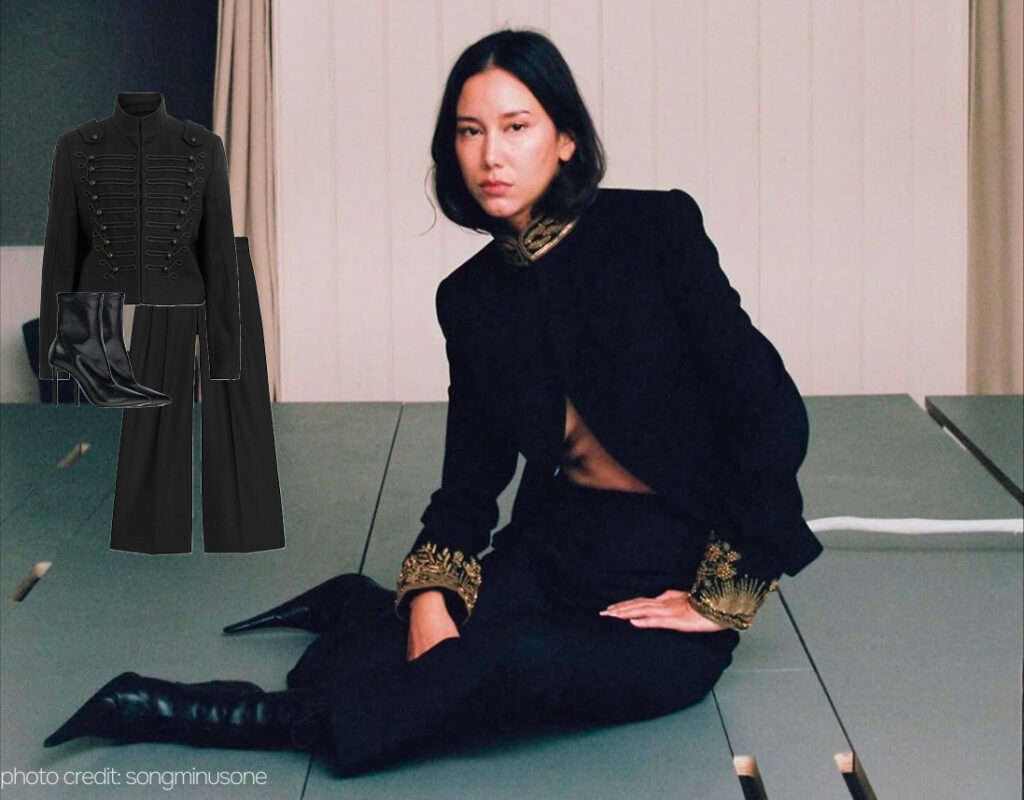
Personal style is formed from your lifestyle, rhythms, preferences, sensibilities and decisions. When you see a structure — from code to seasonal formula — style becomes precise, natural and stable.