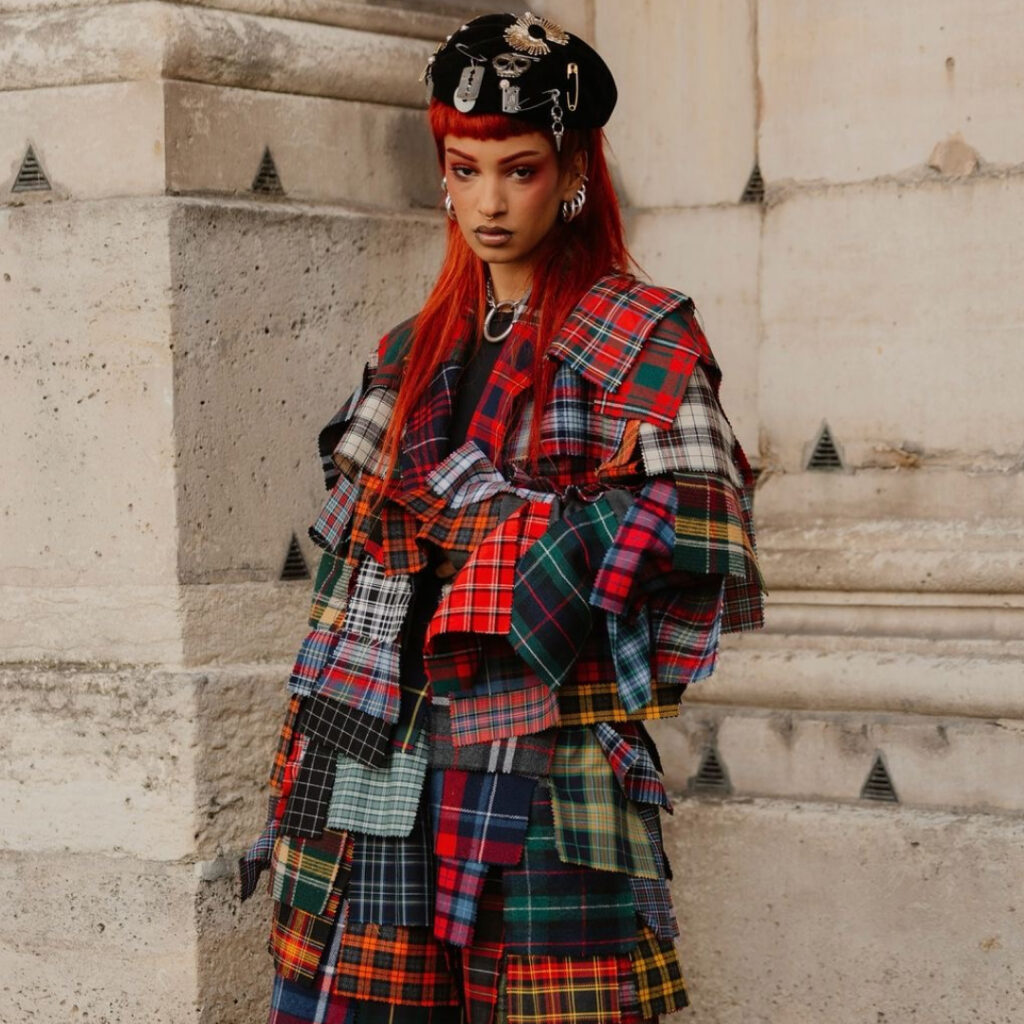
In fashion, nothing is ever accidental. The aesthetics we see on the runways, in campaigns, and in videos are always connected to how society is living its moment. Minimalism and maximalism are not just stylistic trends. They work as social markers, reflecting the state of the economy, the level of anxiety, the need for control, or, conversely, the desire to speak louder.
These two poles appear in waves, replacing each other or coexisting in parallel. And it is in their tension that the mood of the time is most accurately read.
minimalism as a survival strategy
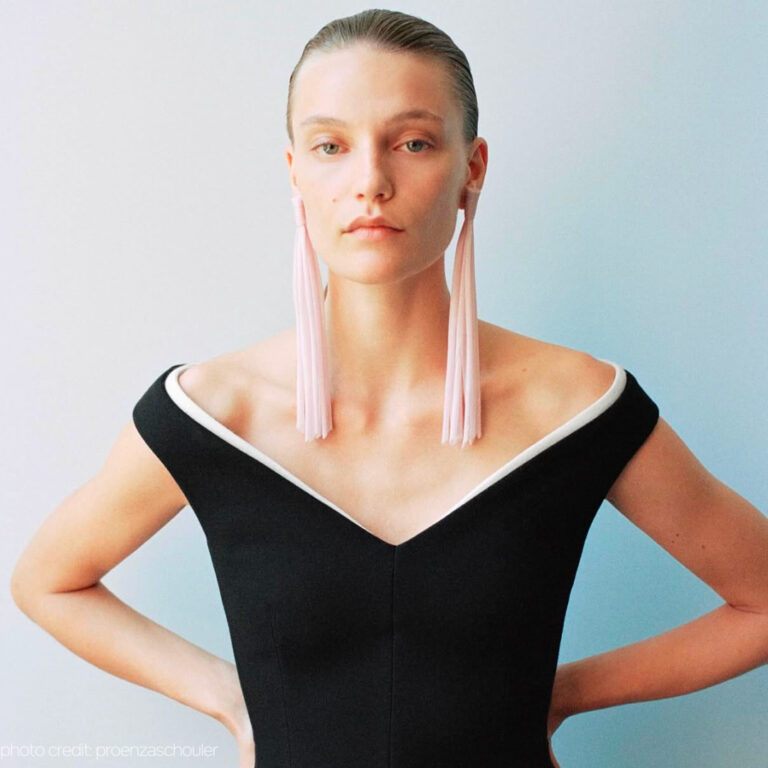
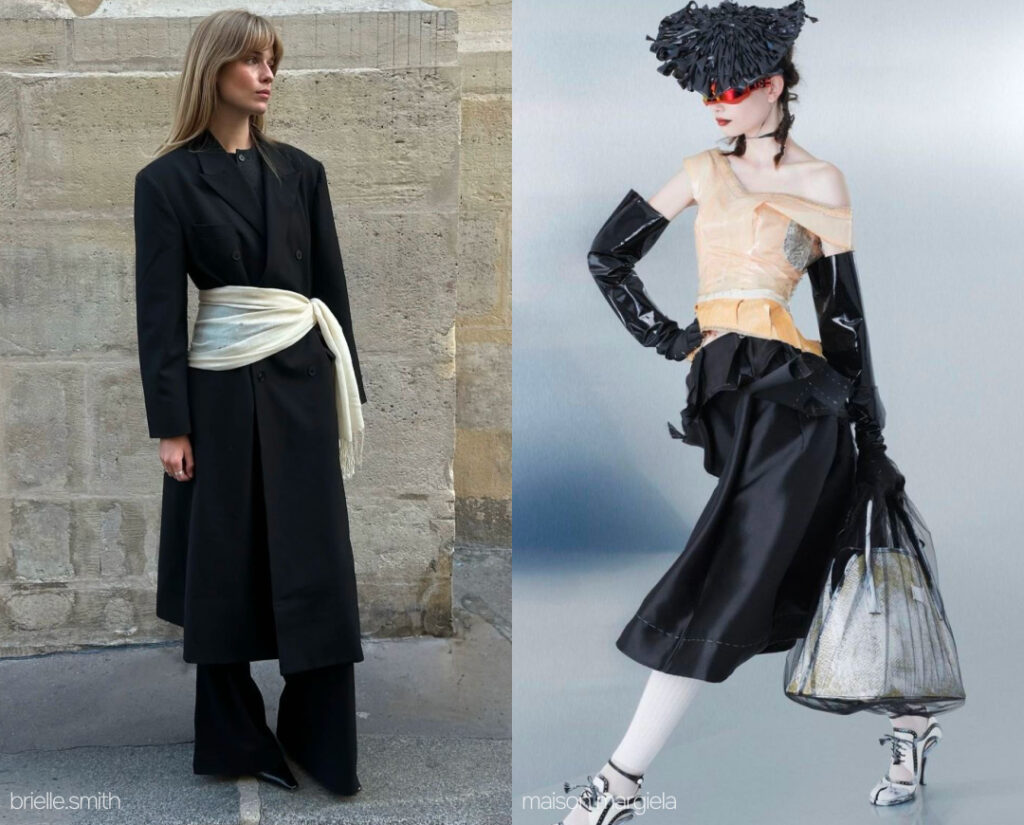
In times of instability, fashion naturally gravitates towards restraint. Minimalism in such conditions becomes a way to collect reality into a clear system. A neutral palette, clean cuts, and laconic silhouettes create a sense of order — both visually and psychologically.
For brands, this is a practical solution. Minimalist collections are easier to produce, easier to scale, and more convenient to keep on sale for several seasons in a row. Fewer complex designs, fewer risks, more attention to material and fit. Such fashion works longer than one seasonal cycle and makes it possible to build a stable brand economy.
For humans, minimalism also serves an important function. In a world where information overload and choice can be overwhelming, a minimalist wardrobe creates a sense of clarity. It doesn't require constant decisions, is easy to combine, and supports the rhythm of life instead of complicating it.
In this sense, minimalism becomes the language of discipline. It speaks of control, predictability, and the ability to maintain form—both external and internal.
minimalism as a tool of trust
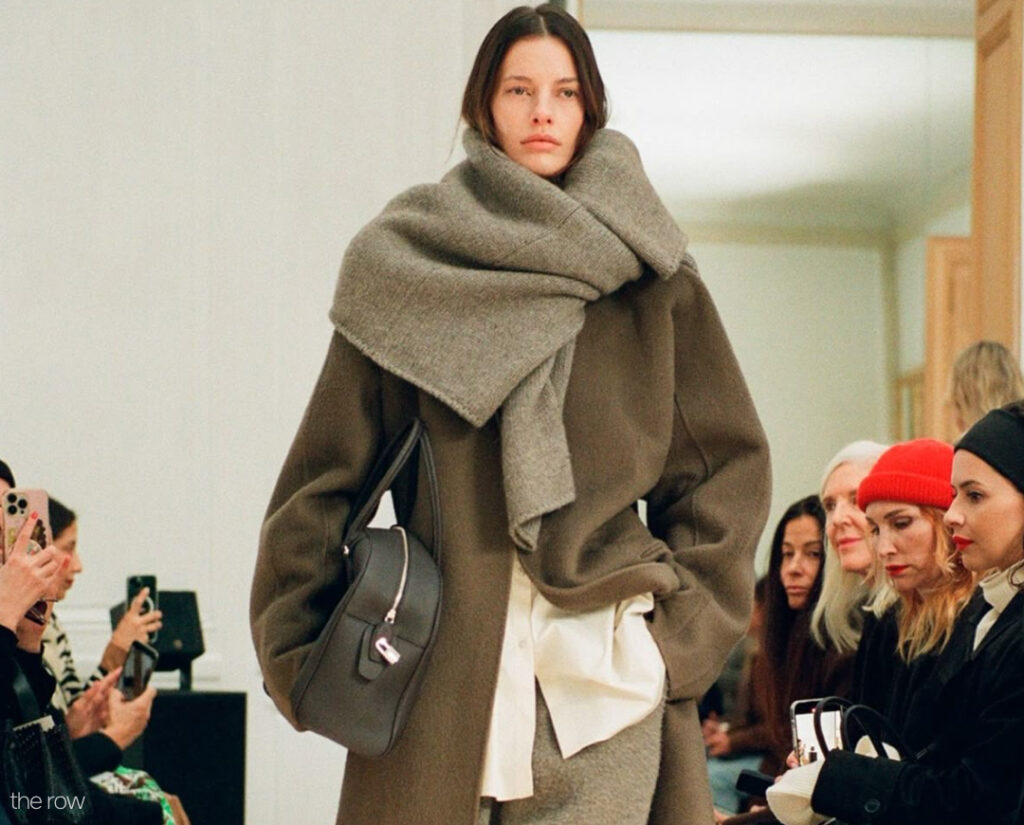
Clean lines and neutral colors have long been markers of reliability. When a brand chooses minimalism, it projects an image of a stable partner. It’s a way to communicate quality instead of excess.
For the client, such aesthetics are often perceived as an investment. The item looks appropriate in different contexts, easily integrates into an existing wardrobe, does not lose its relevance after several outings. It supports the system without destroying it.
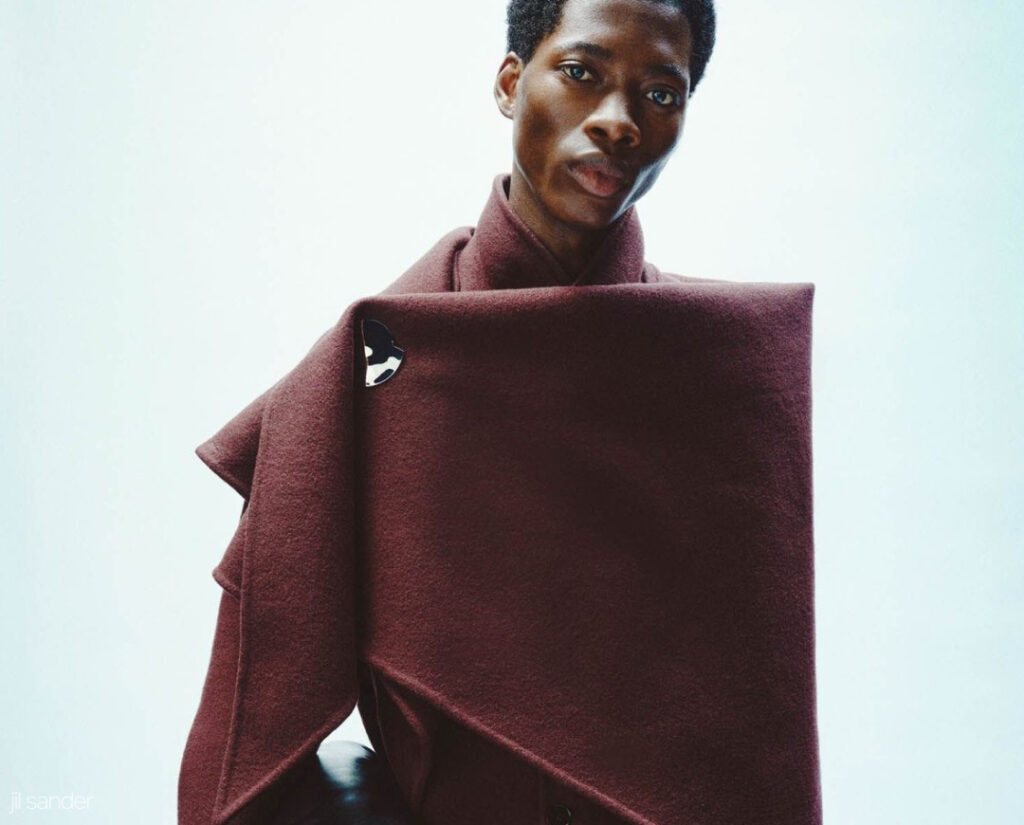
That's why minimalism often becomes the foundation of big brands during difficult times. It creates a sense of grounding for both the business and the consumer.
Why maximalism is making a comeback
Any discipline eventually becomes tiring. When society is in a mode of restraint for a long time, the need for expression arises. It is at this point that maximalism enters the scene.
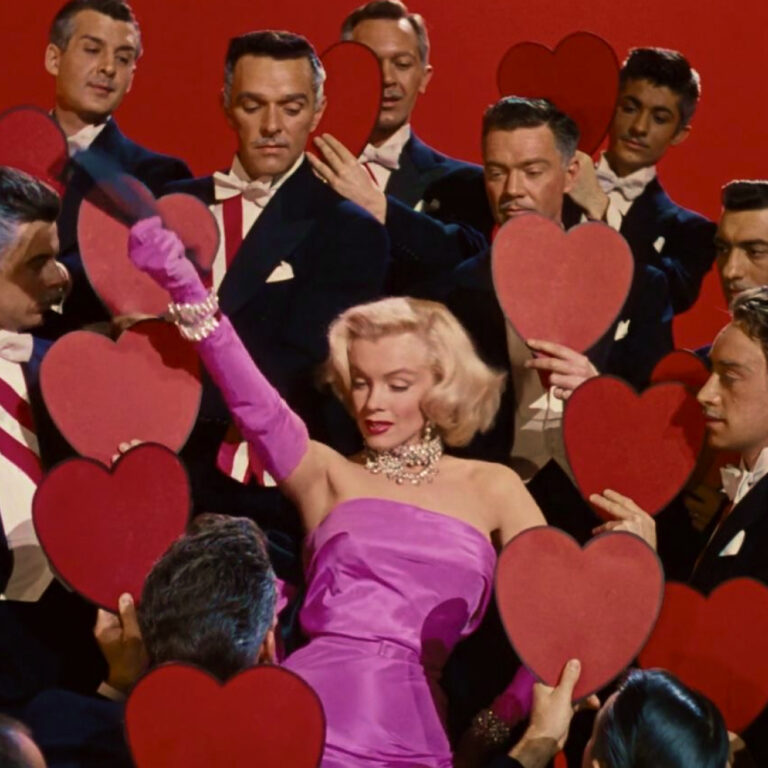
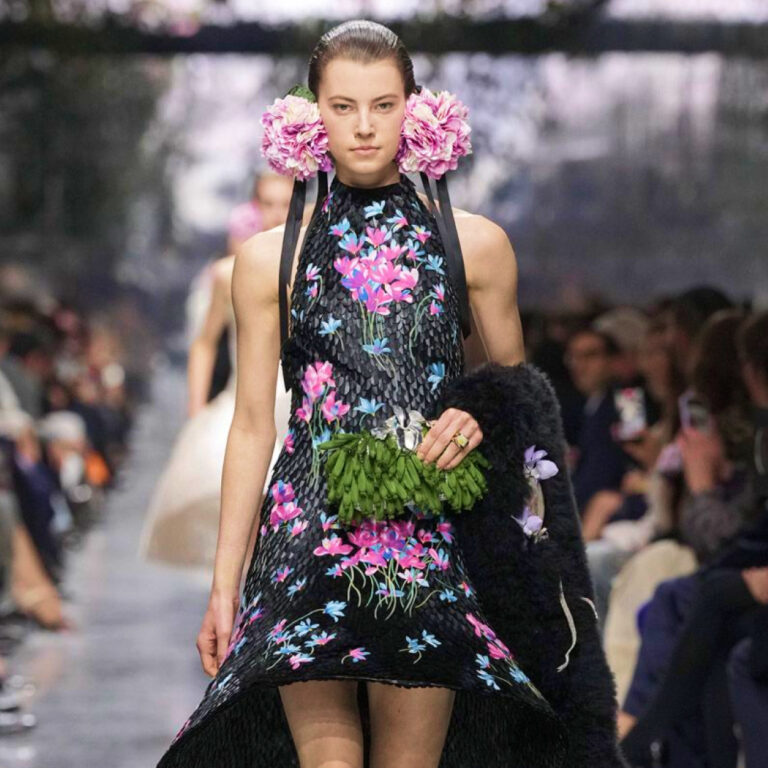
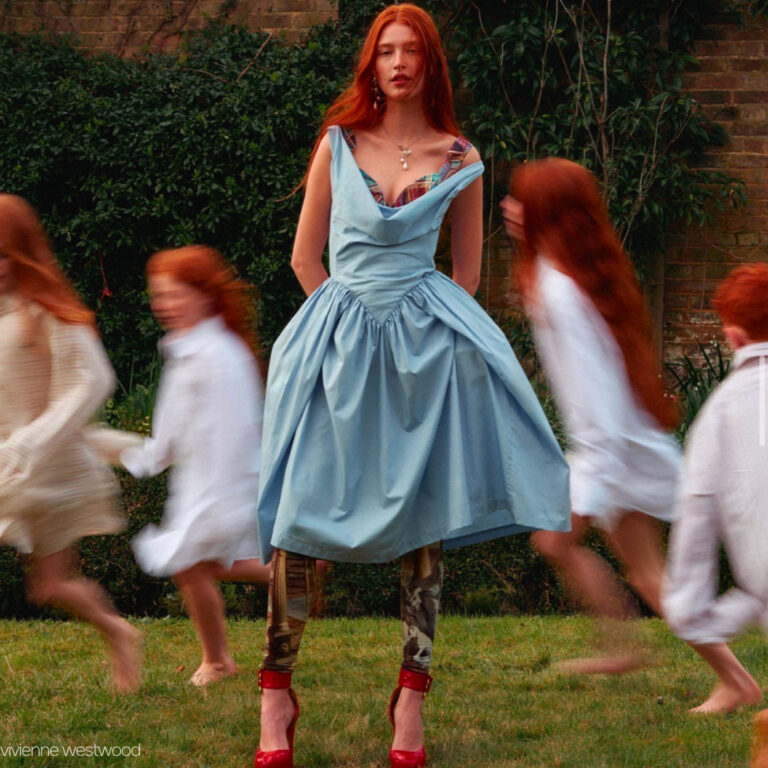
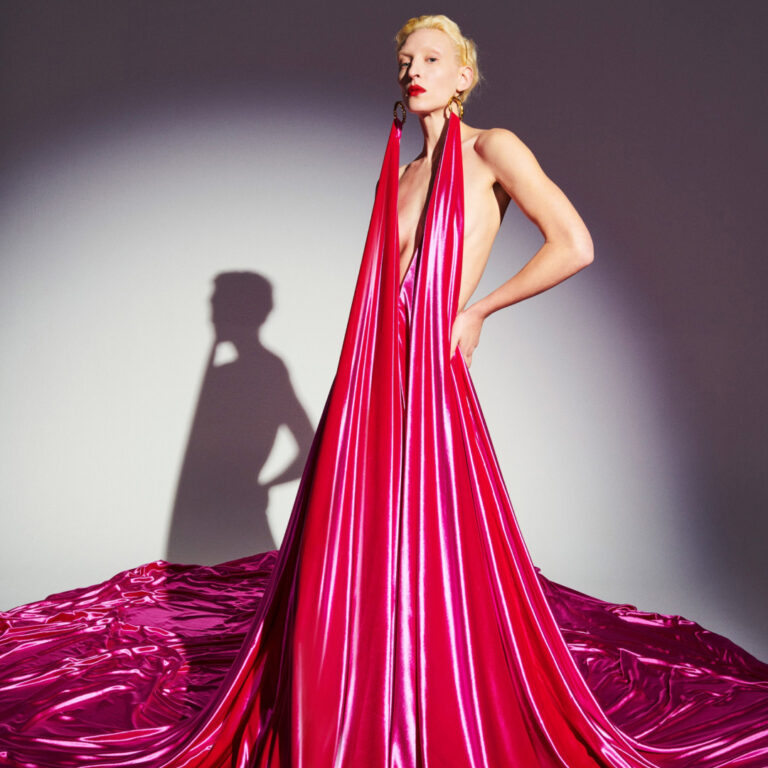
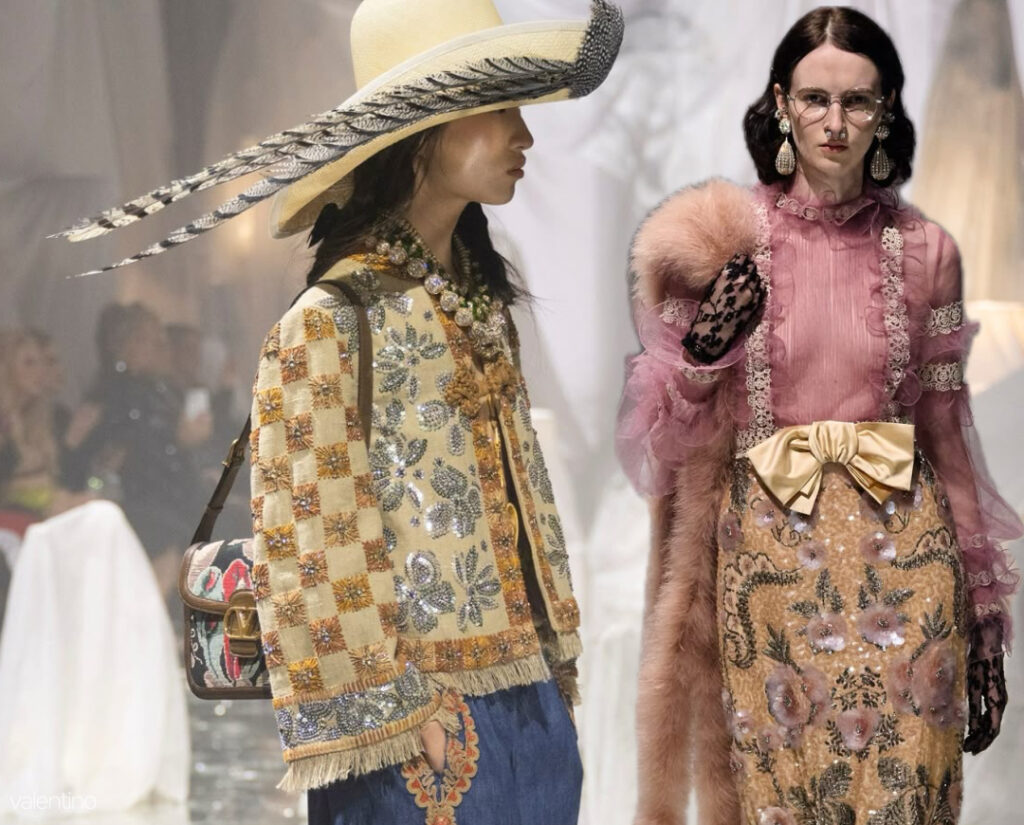
Maximalism in fashion is the energy of expansion. It brings back color, decor, complex silhouettes, textured noise, cultural quotes. It is a space where it is allowed to mix different things, to speak in layers, to show contradictions.
In such aesthetics, not only the image itself is important, but also the right to be visible and to talk about one's ideas. Maximalism gives the opportunity to speak about one's position, to show the complexity and multifacetedness of identity.
Its emergence often coincides with moments of social upheaval, when the number of voices increases, the range of identities expands, and the marketplace becomes more fragmented. Maximalism reflects this multiplicity of voices and translates it into a visual language.
maximalism as rebellion
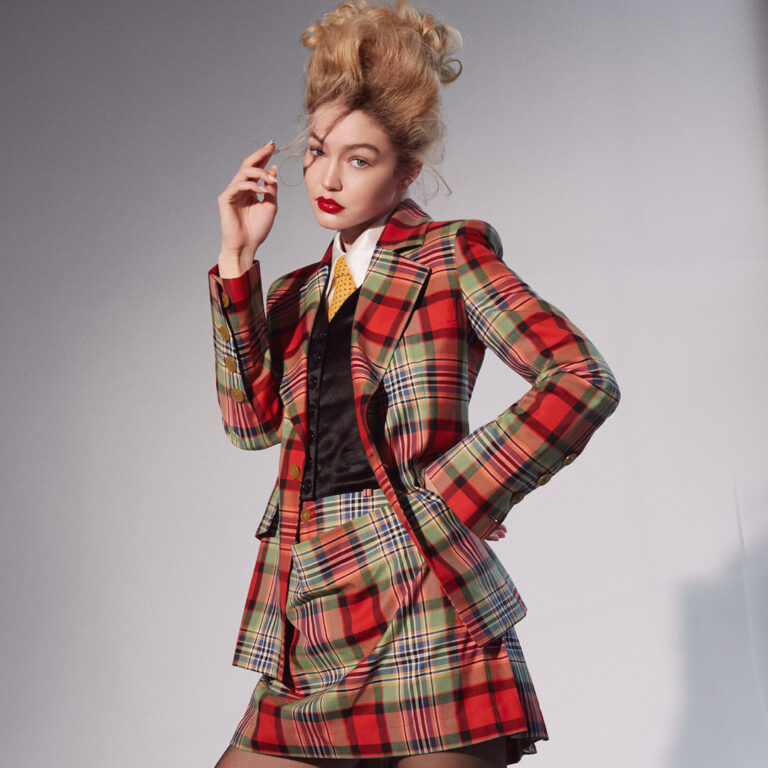
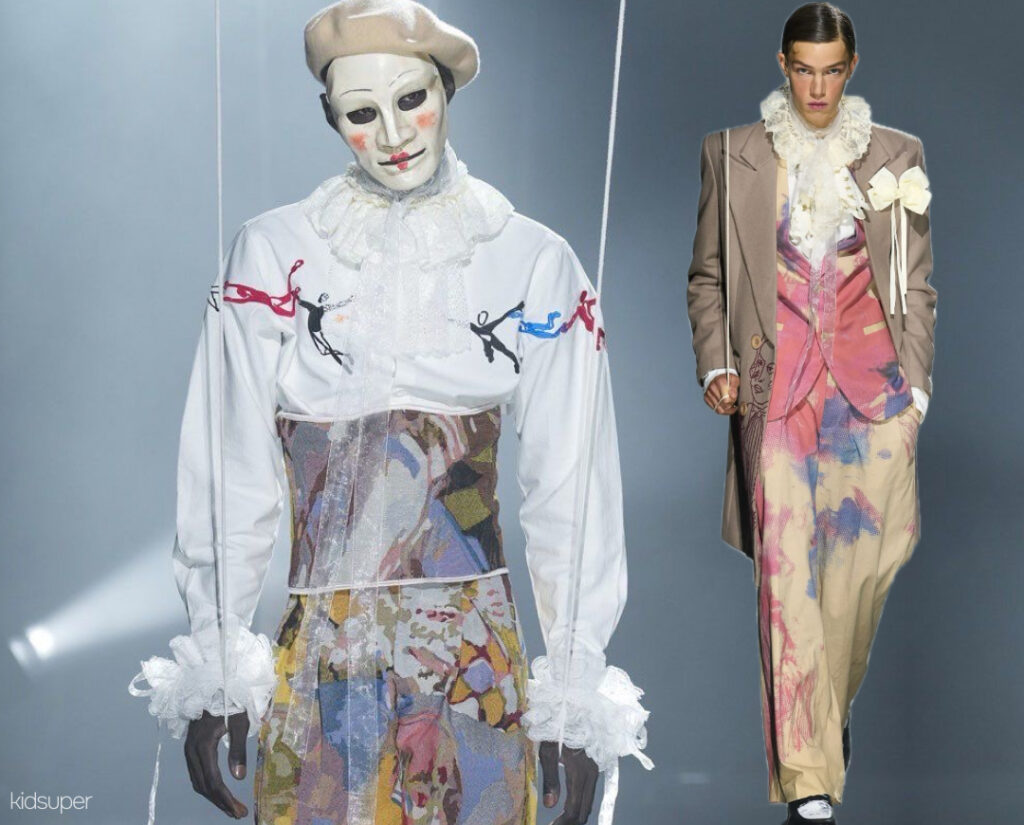
There is always a position in maximalism. It works as a form of resistance to unification and standardized ideas of "good taste." Irony, excess, and a play with forms and codes appear here.
This aesthetic allows us to ask questions, not just provide ready-made answers. It highlights social processes: the desire for freedom of expression, the desire to go beyond the usual framework, an interest in one's own history and cultural context.
Maximalism often becomes a tool of cultural movement. It attracts attention, sparks discussions, and creates the tension necessary for change.
two markets, two roles
Minimalism and maximalism rarely compete directly. More often, they serve different functions within the same system.
Minimalism works as a commercial pillar. It ensures stable sales, a long product life cycle, clear communication. It is the foundation on which the industry rests.
Maximalism, in turn, works as a cultural signal. It attracts attention, shapes a brand image, creates an emotional connection with the audience. This is what drives the language of fashion forward.
Together they form an ecosystem: the base provides stability, the expression provides development. One direction supports the other, even if on the surface they seem opposite.
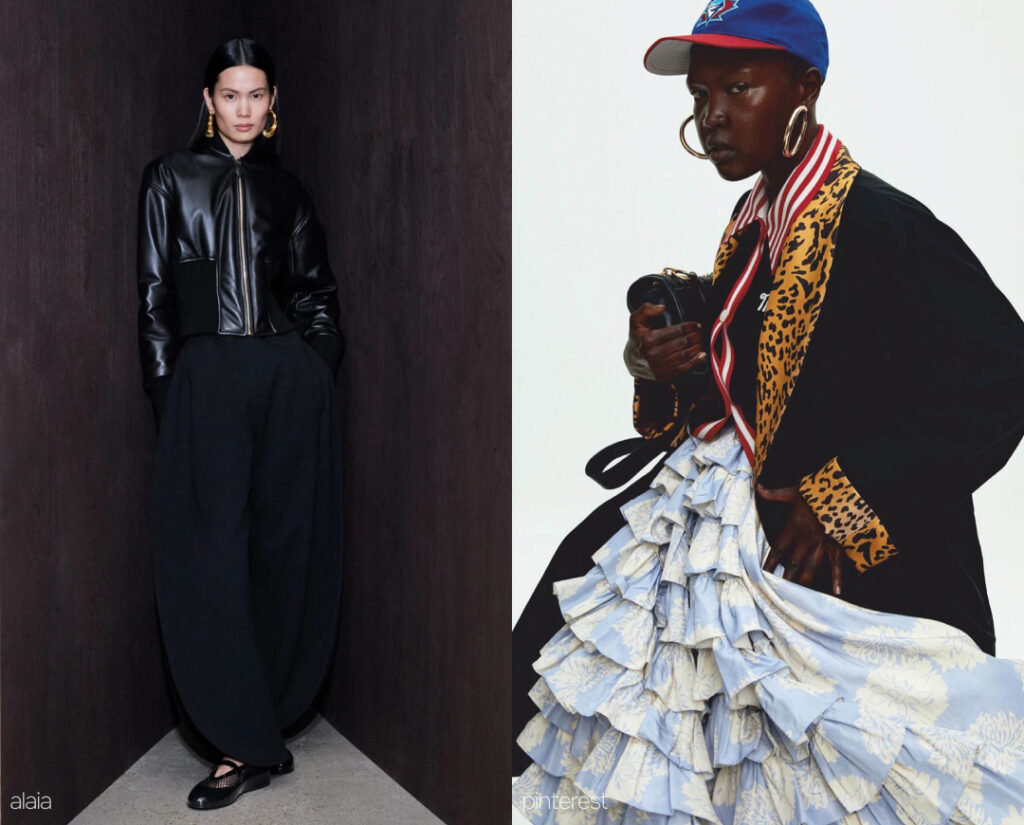
The dominance of minimalism or maximalism at a given time says a lot about the state of the industry and society as a whole. When minimalism prevails, there is a need for clarity and control in the air. When maximalism increases, there is a growing demand for emotion, risk, and rethinking.
Today, we see the coexistence of both poles. This speaks to a complex, multi-layered moment in which the need for support coexists with the need for a voice.
Fashion in this context becomes not just a reflection of taste, but also a navigation tool. It helps us understand where we are and where we are going next.