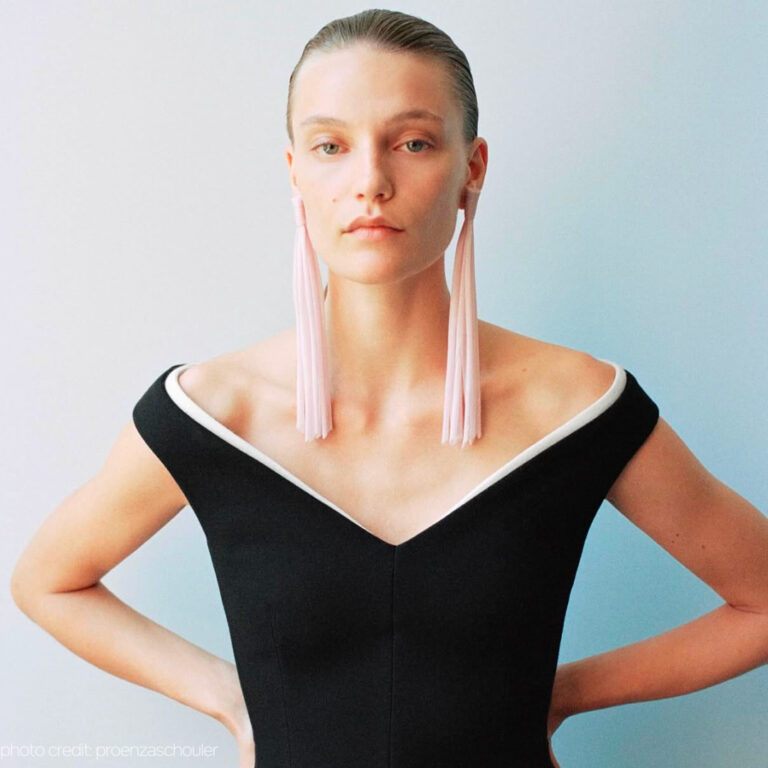
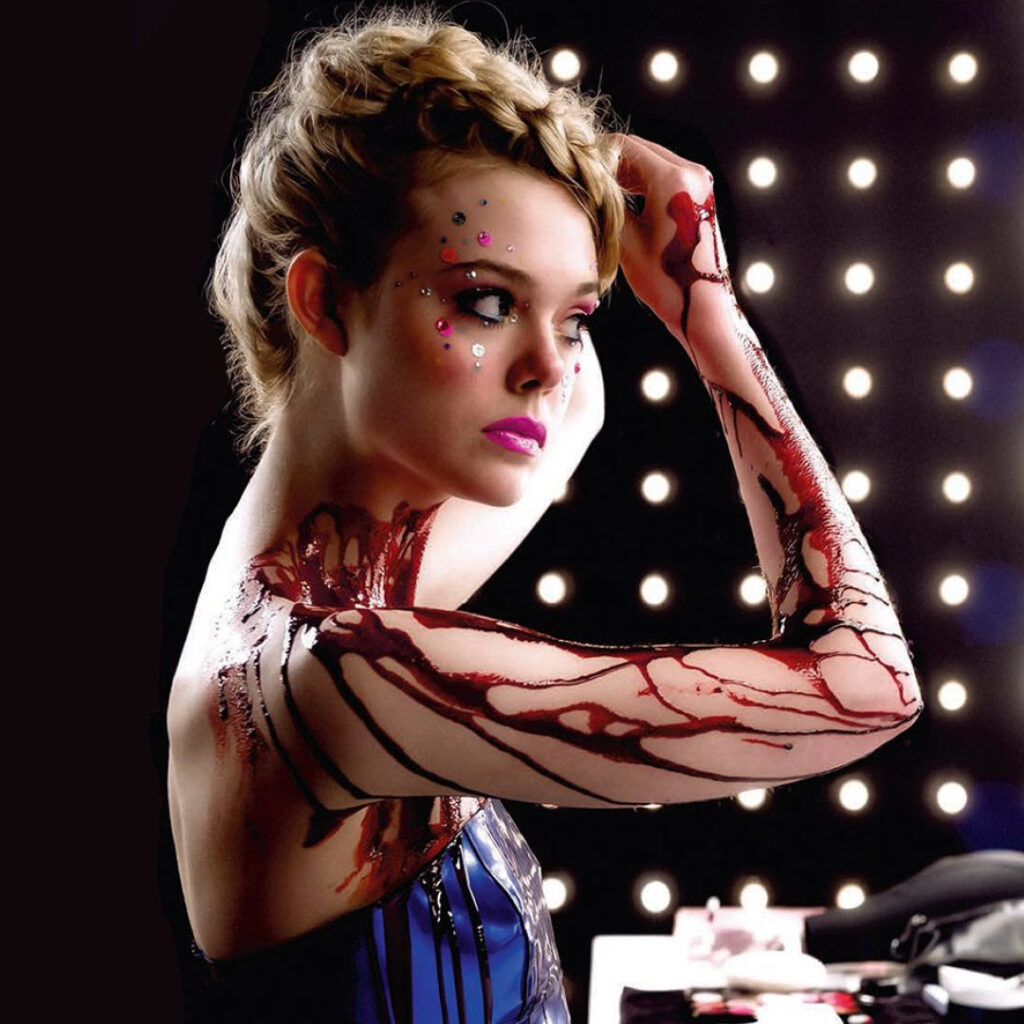
Dark aesthetics have long ceased to exist only in the horror genre. It has moved into fashion, photography, and visual culture. It is a trend that speaks of vulnerability, drama, physicality, and inner tension.
This style creates depth, it reveals another side of beauty, where there is a place for contrasts, theatricality, and emotional power.
We look at seven films that shaped the concept of dark aesthetics and influenced designers from Alexander McQueen to Rodarte. Each has its own image of beauty: disturbing, mystical, baroque, surreal or erotically dangerous.
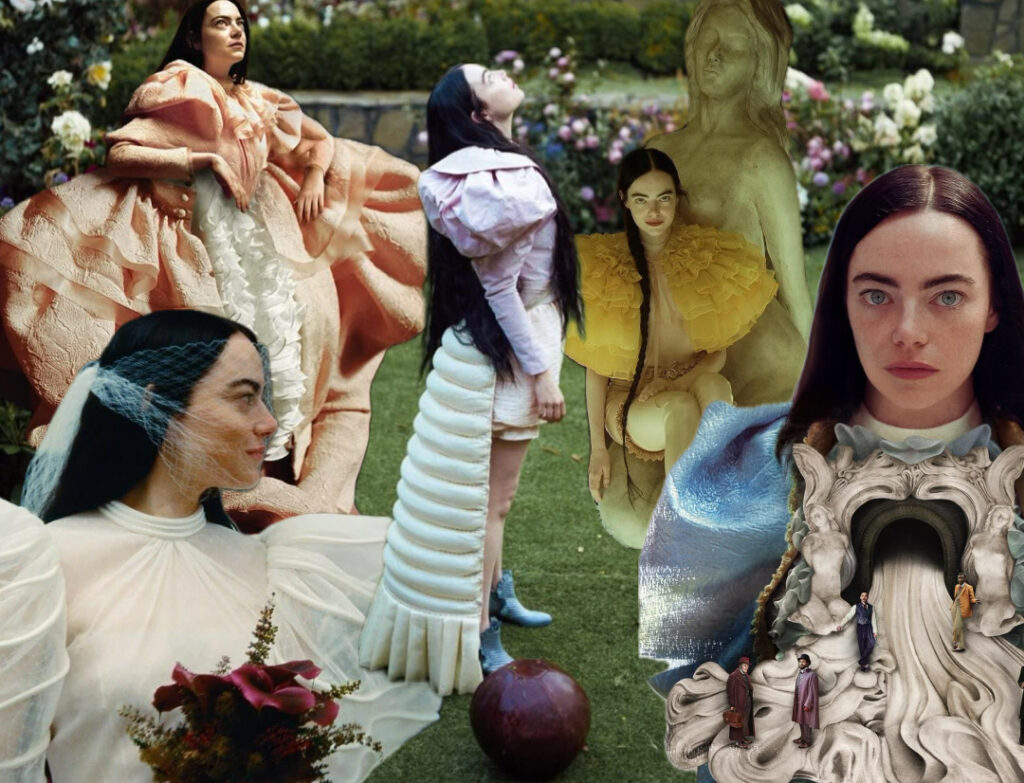
Poor Things
Grotesque naivety, fantasy and femininity in the form of an experiment.
In this film, beauty exists in the mode of play: a pastel palette, anatomical proportions, a volume reminiscent of a costume installation. Corsets, ruffles, multi-layered sleeves - everything looks artificial, but at the same time alive. The visuals of the film are dominated by a combination of puppetry and theatricality, where the female image is built from exaggerated forms and soft color solutions.
Here, beauty becomes an invention, created by design, not nature. It is this idea that inspires modern designers to create silhouettes with an emphasis on volume and “artificial” femininity.
The Neon Demon
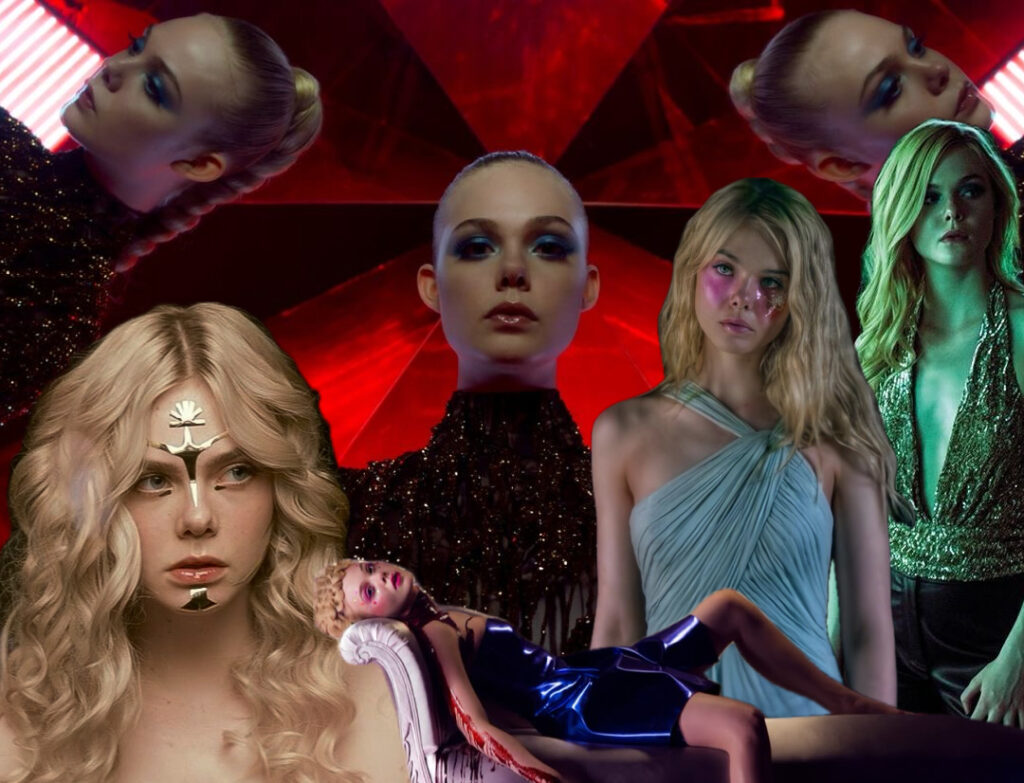
A cold aesthetic of brilliance, where beauty turns into a threat.
The world of The Neon Demon is built of plastic, light and color, reminiscent of a club neon installation. Here, the shine exists as a separate reality: pure, cold, hard. Body modeling, glossy skin, metallic shades work to create an image that looks sharp, almost superhuman.
The contrast between the bright exterior and the emptiness inside creates a special feeling in the frame. This approach can be seen in modern brands that use light as one of the materials of the costume and play with plastic, latex and glare.
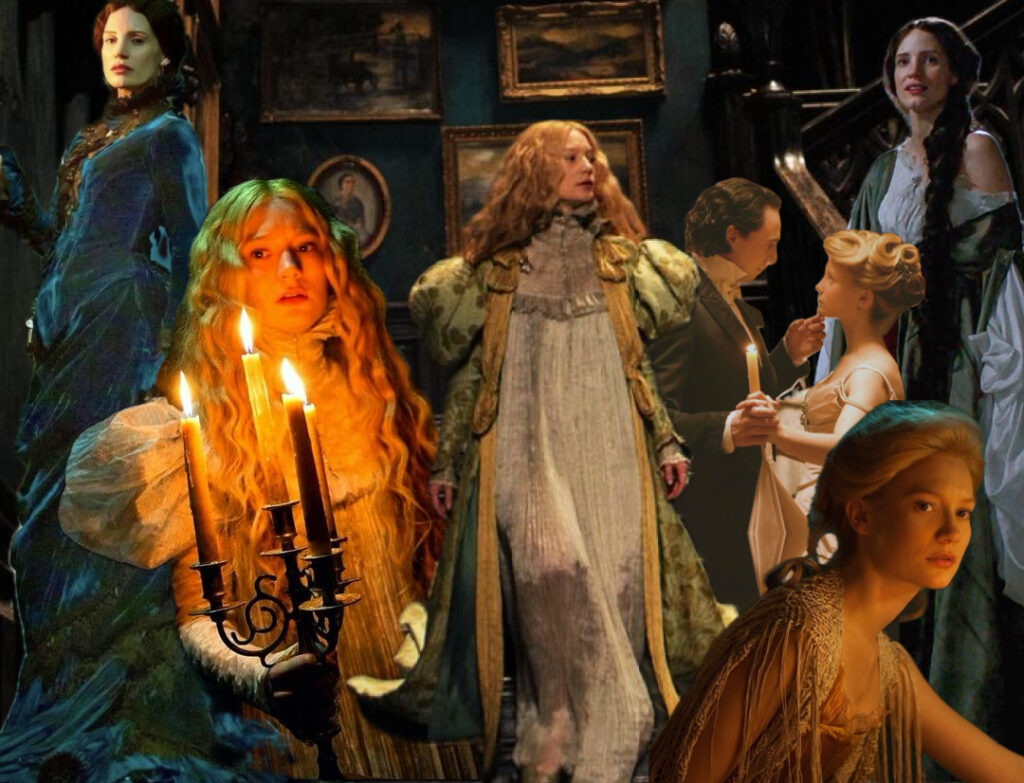
Crimson Peak
Gothic romanticism with a palpable theatricality and decadence.
Crimson Peak's visuals are dominated by high collars, strict Victorian lines, and rich colors: burgundy, emerald, and black. Here, Gothic exists alongside Baroque splendor: luxurious fabrics, voluminous dresses, and intricate ornamentation.
The film transforms interiors and costumes into separate worlds where beauty resonates with depth and drama. This style inspires the use of vintage fabrics, heavy silhouettes, and accents on collar or sleeve construction.
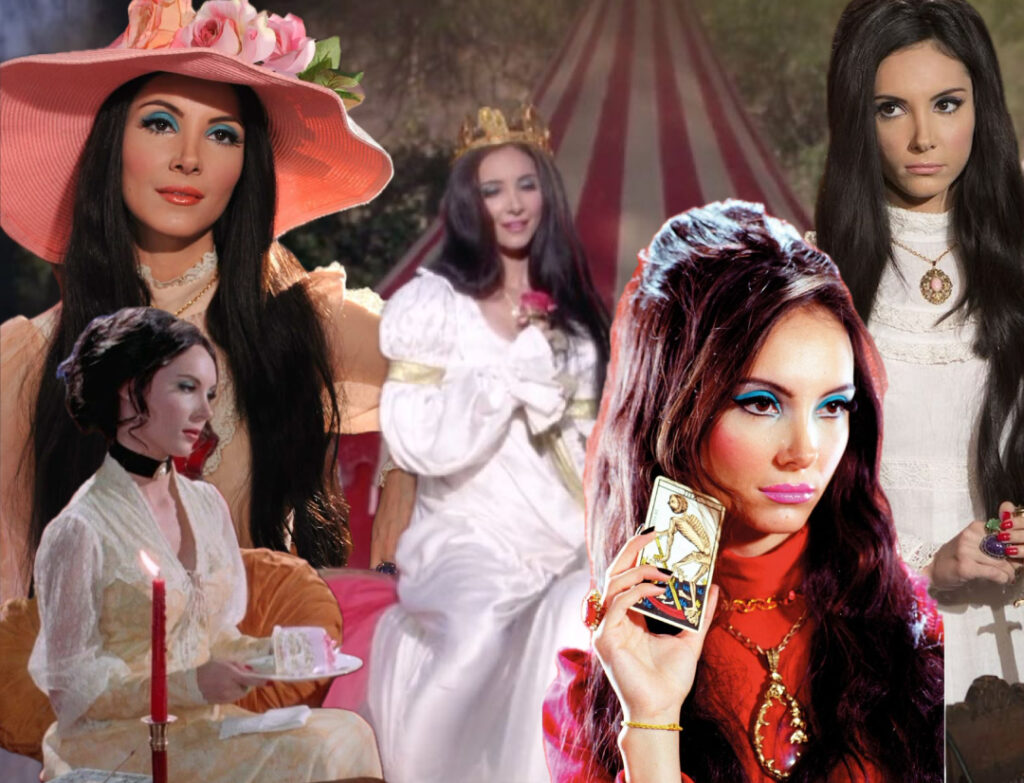
The Love Witch
70s glamour with a touch of danger and feminine power.
The film creates a special aesthetic — bright, emphasized, with precise accents in makeup and costumes. There is a lot of color here: blue eyeshadow, red lipstick, pink shades of fabrics. The camera loves close-ups, and the actresses look like retro agitators.
It is a style in which beauty acts as a tool of control and attraction. It inspires a return to theatrical femininity, clean lines, graphic makeup and retro silhouettes.
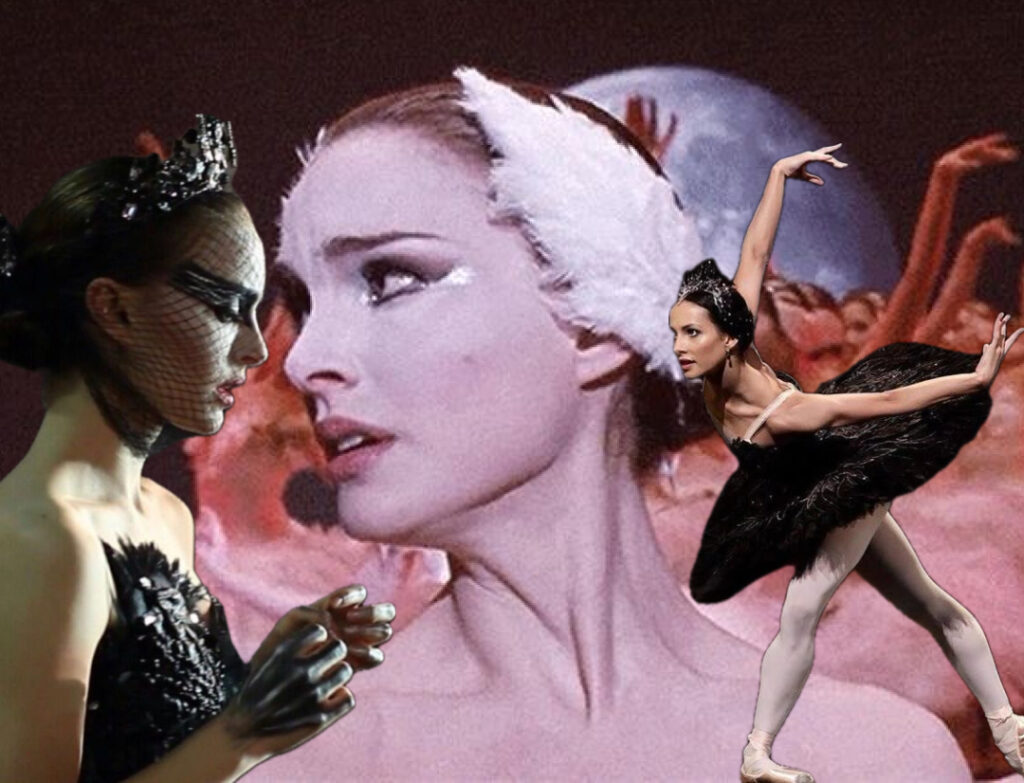
Black Swan
Control, perfectionism and fragility in ballet.
In Black Swan, each frame works on contrast: white and black, soft and sharp, thin and strong. Ballet silhouettes form the structure of the images: naked bodies, thin straps, strict lines. Here, beauty is built on discipline, there is tension and a feeling of being “on the edge”.
This is an aesthetic that influences modern minimalist brands: clean contours, a cool palette, clear geometric lines.
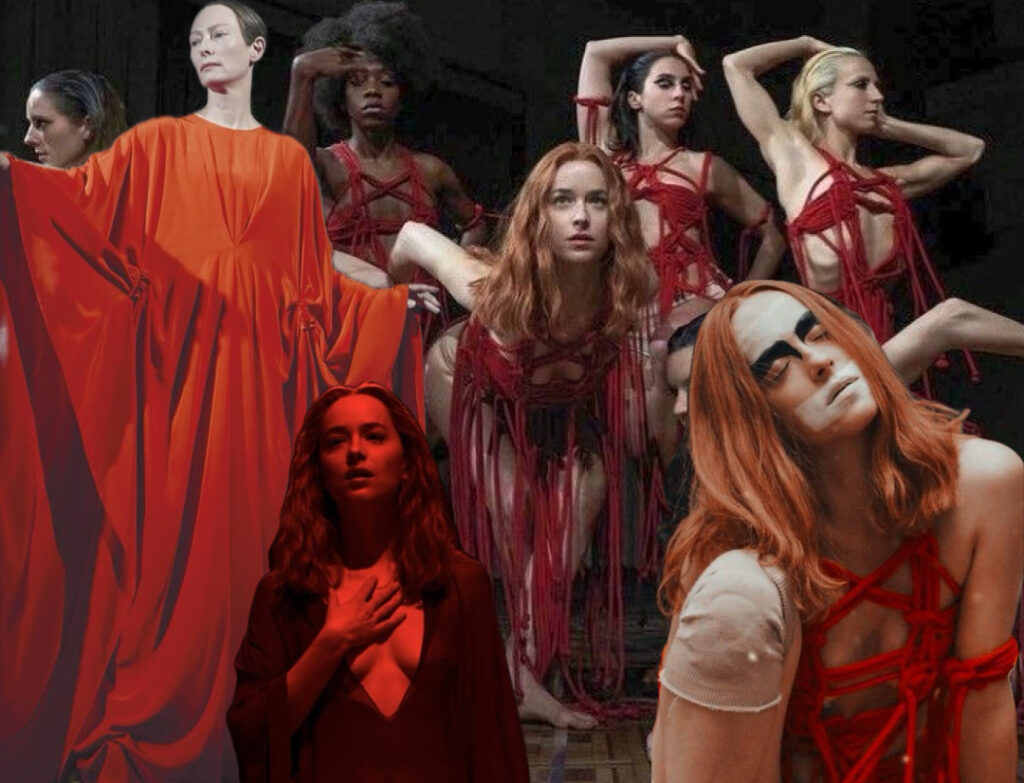
Suspiria
Ritual, corporeality and shades of red.
Suspiria creates a visual world in which the fabric moves and is part of the choreography. Warm reds, browns, flesh colors form the symbolism of heat, blood, earth. The clothes look like an extension of the body: drapery, knots, living textures.
The film's aesthetic is reminiscent of fashion as a ritual art: with deep hues, plastic shapes, and strong symbols.
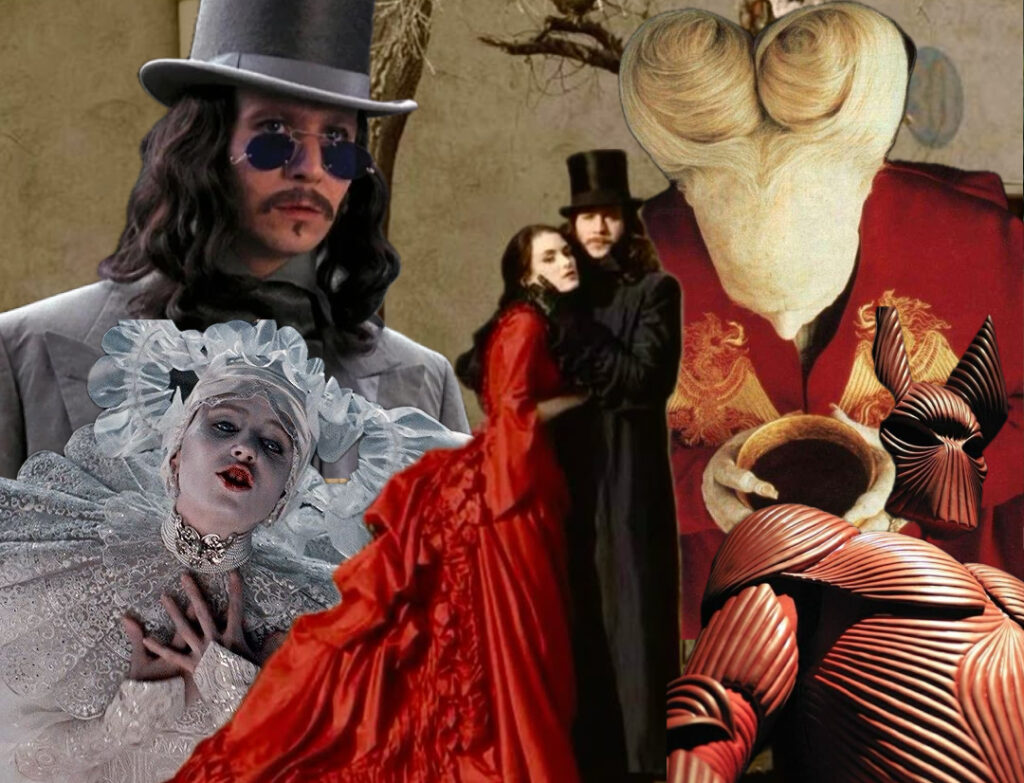
Bram Stoker's Dracula
Gothic in its purest form: love, death, temptation.
In this film, the costumes are built like sculptures. Corsets, red silk drapery, black lines, voluminous collars - everything forms the image of theatrical Gothic. The film is filled with symbolism: colors, silhouettes, textures create an atmosphere of sacredness and erotic mystery.
This aesthetic often returns in contemporary collections by designers who work with drama and gravitate towards conceptuality.
Fashion meets darkness
The dark aesthetic that originated in cinema is actively influencing fashion.
Horror adds depth and emotional power to it. It's tension, shadow, drama. Designers use this direction to explore fragility, corporeality, eroticism, and the limits of the ideal.
Alexander McQueen, Rodarte, Rick Owens are brands that bring dark motifs into their collections, working with emotions as subtly as film directors.
Darkness ceases to be an antagonist. It becomes part of beauty.