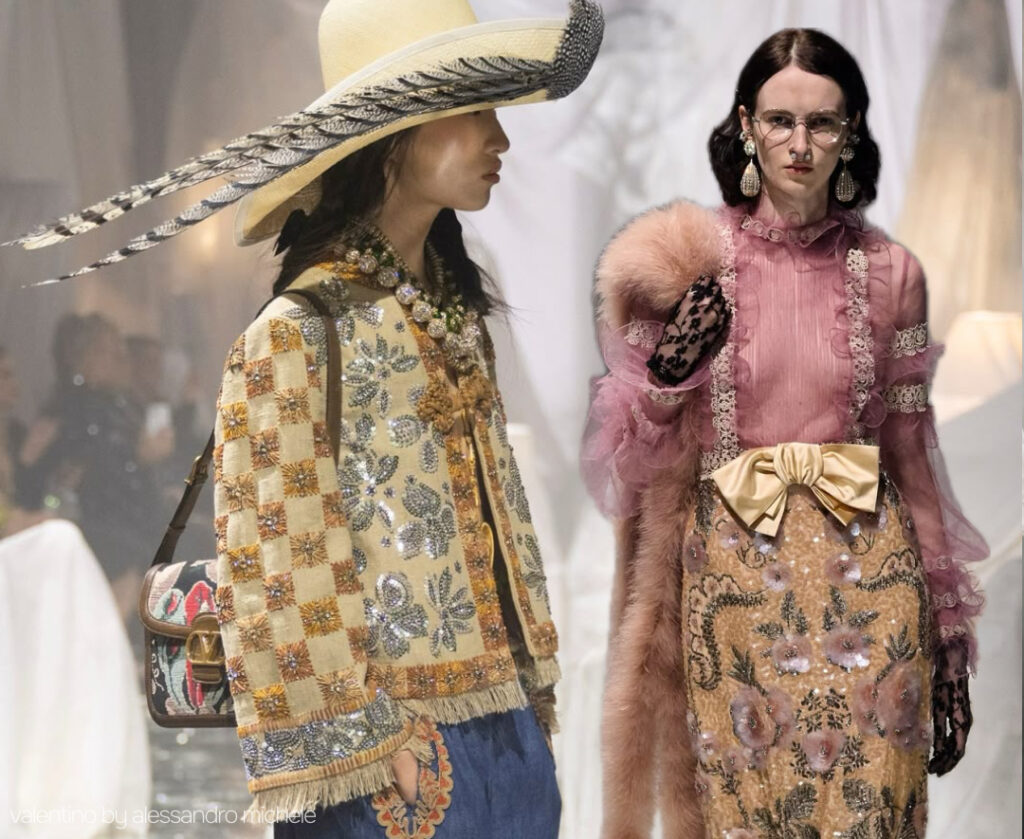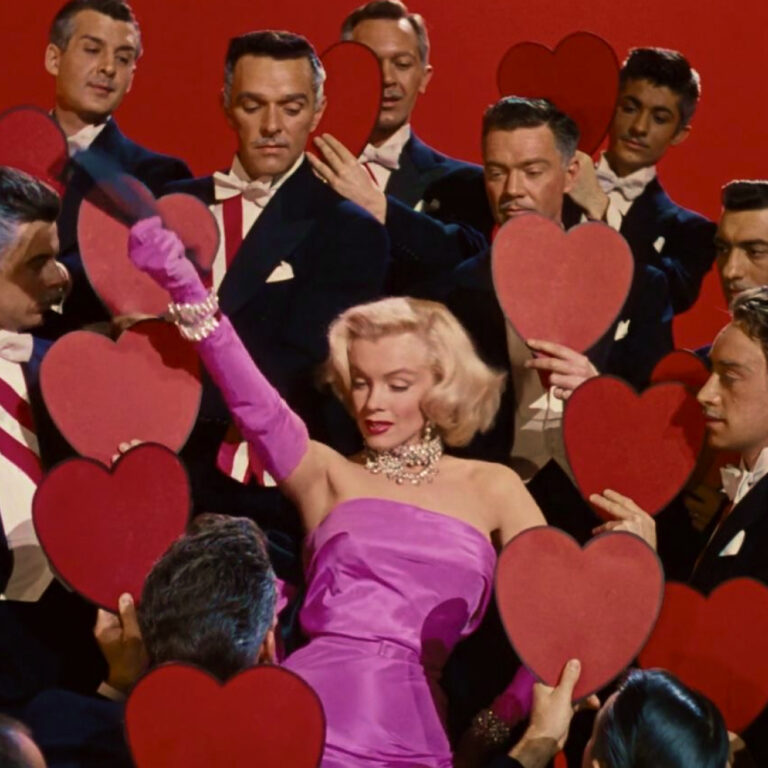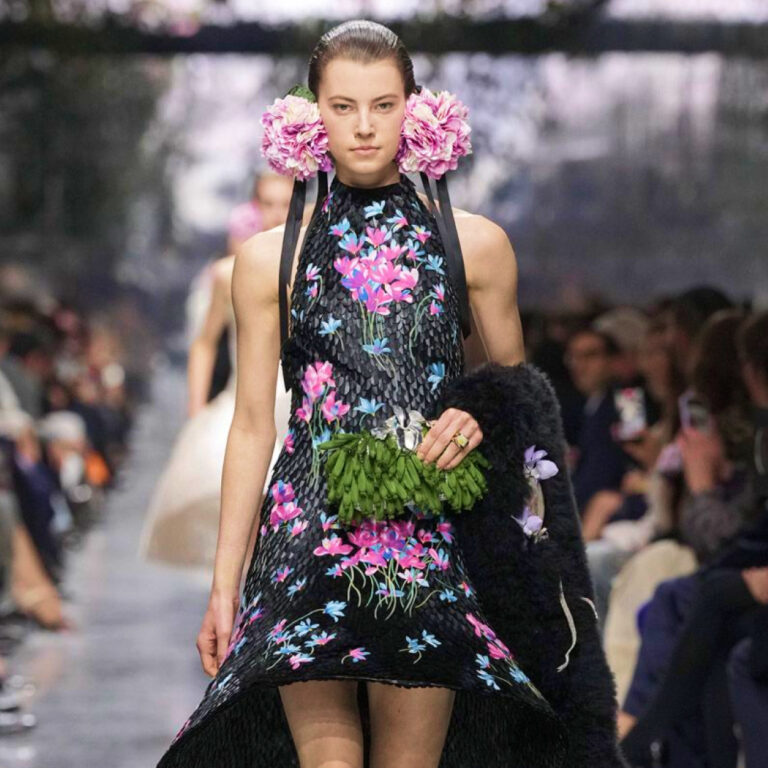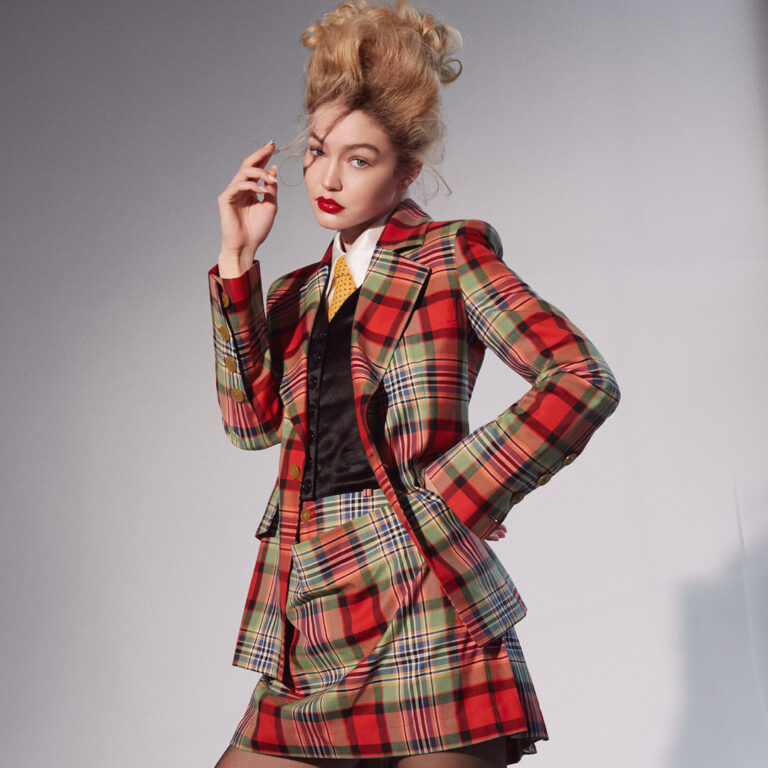
The human figure is returning to the center of the fashion system. If earlier the main object of attention was the brand, its archive, logo, continuity or scale of production, today the conversation increasingly begins with the name. The designer acts not as the executor of the vision of the house, but as a separate authorial force. In the new season, interest is focused on who creates things and why this person shapes the aesthetics of the moment.
This vector shift is not accidental. It reflects changes in the very structure of the industry, in the media landscape, in the demands of generations, and in the need to feel meaning.
personality cult and media influence
In the 2020s, a new type of hero is gradually taking shape. This is no longer the architect of a house in the shadow of a big brand. This is an independent personality with his own language, who speaks with a collection, words, position, images. A designer with clear optics becomes a marker that you want to read.
Young designers are increasingly creating products and entire narrative universes. And it is around them that communities, loyalty, interest and recognition emerge. The name ceases to be a detail, it becomes a structural element of the brand.
One of the main factors in this change has been the media. Previously, the key faces of the industry were models, creative teams, and, more rarely, CEOs. Today, Instagram, TikTok, short interviews, and documentary videos have changed the optics. The designer is present. He/she speaks in the first person, appears in campaigns, comments on events, and builds the tone of voice of the brand from within.
This creates a new form of communication. The audience begins to recognize not just things, but a way of thinking, reflecting, creating. This is how cultural weight is born. The designer becomes a thought leader even outside the boundaries of his brand.
brand as a projection of personal vision
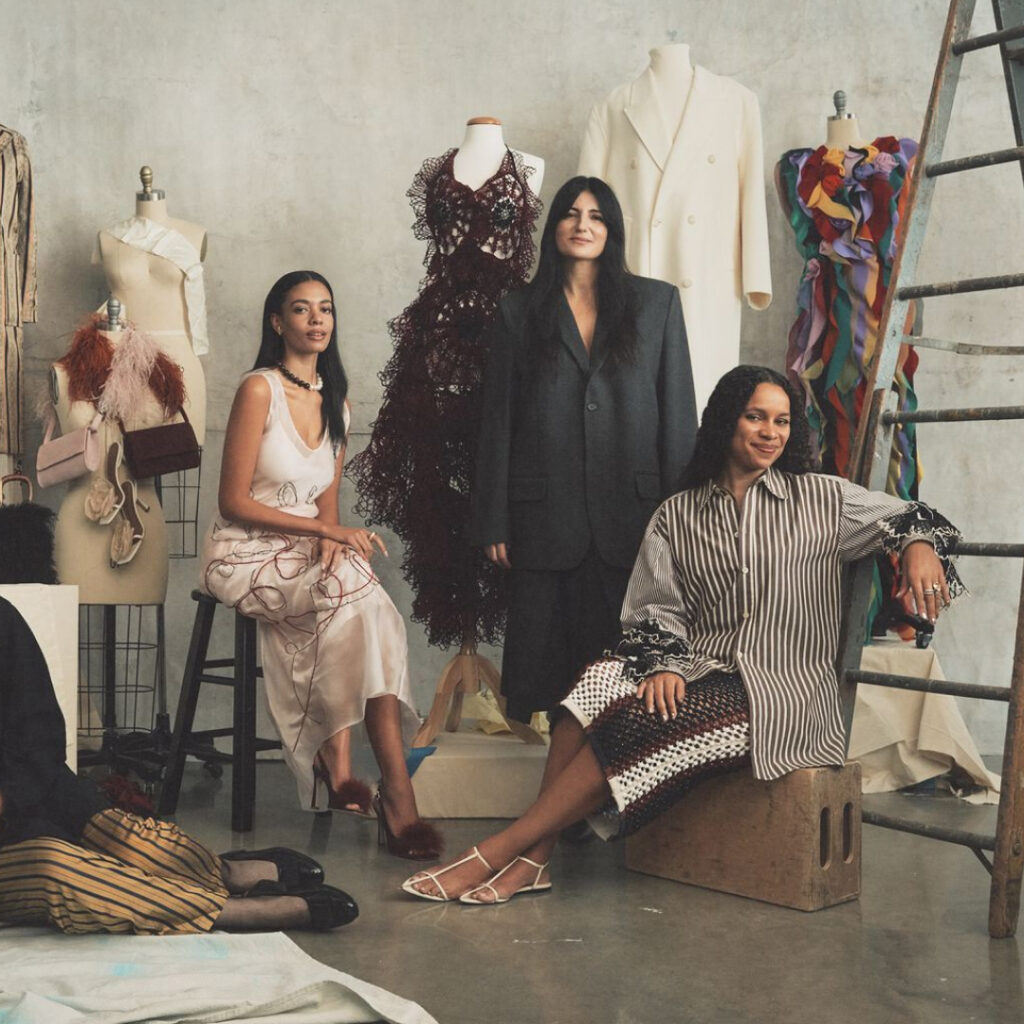
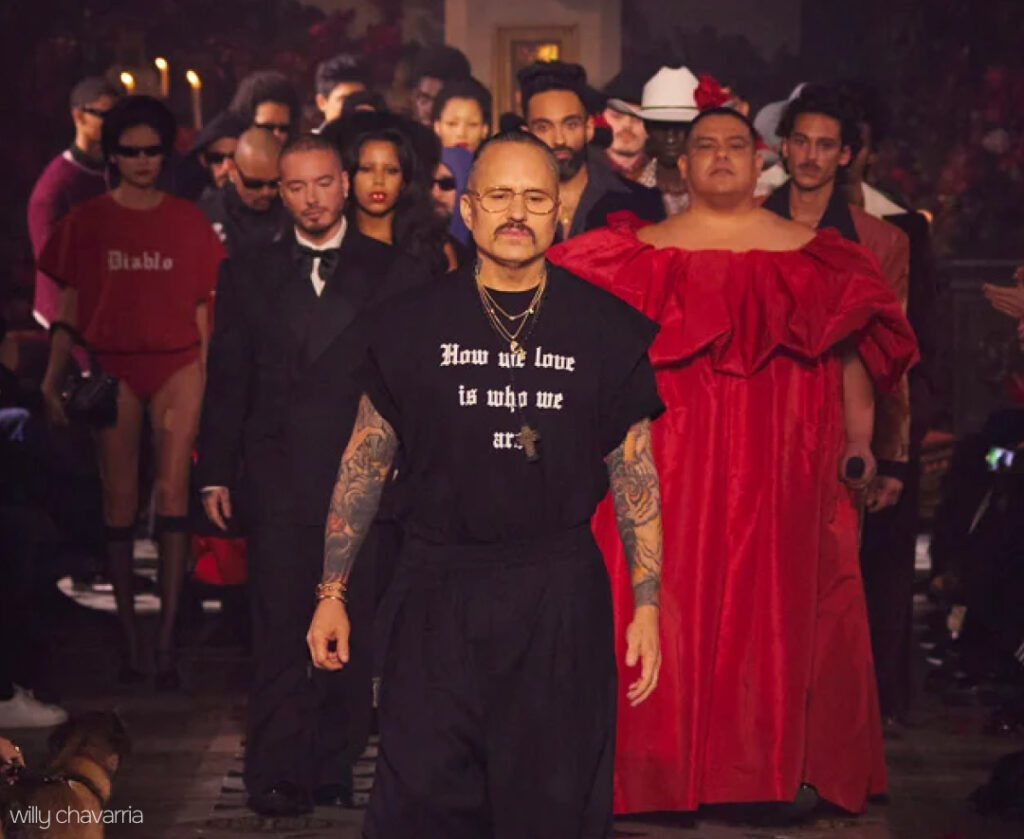
A different strategy is particularly evident among the younger generation of designers: project = me. They shape commercial structures as well as conceptual spaces that grow out of personal stories, archives of memory, and their own vulnerabilities. It's about an intimate but clear voice.
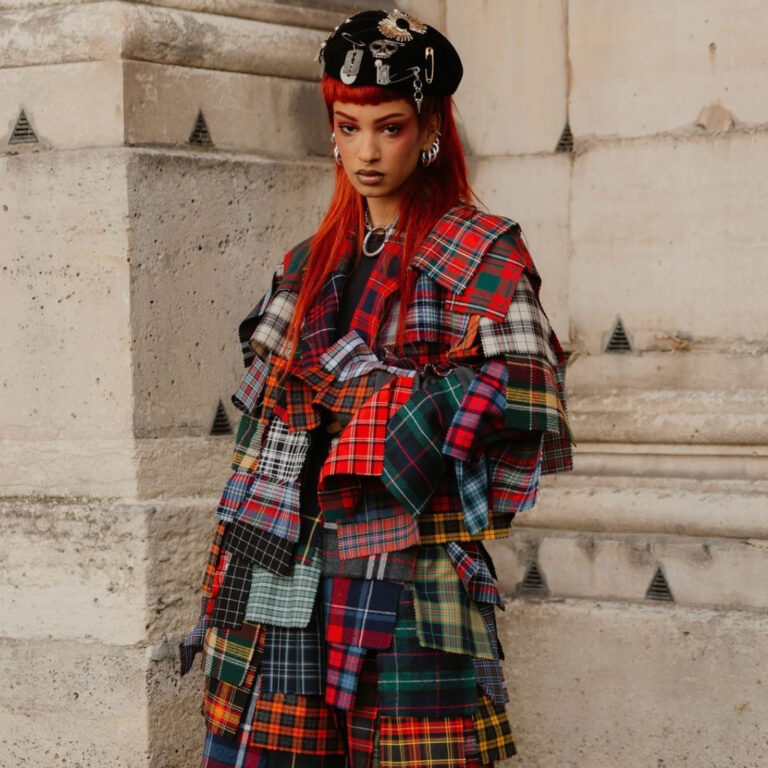
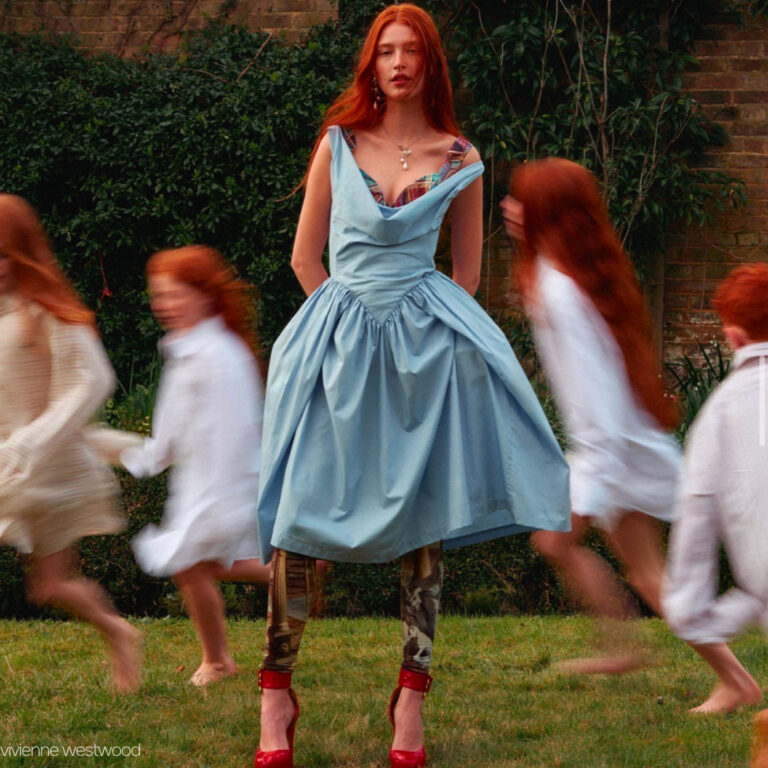
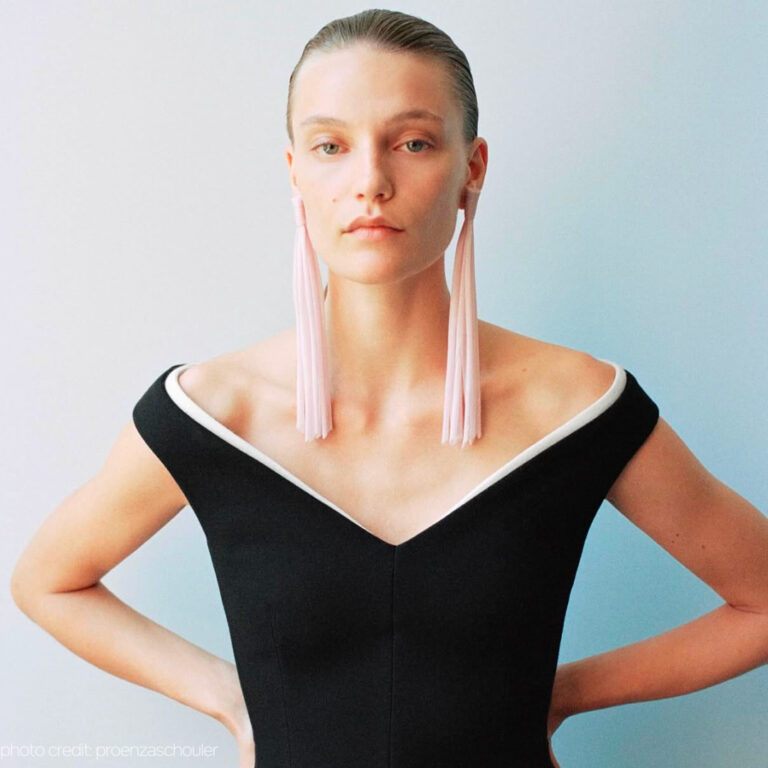
Luar, The Row, Christopher Esber, Dilara Findikoglu, Chopova Lowena are examples of projects that rely on the recognizability of a visual language. It cannot be copied because it is deeply tied to a personal vision. These are designers who work with themselves and through it speak to others.
even big brands are adapting
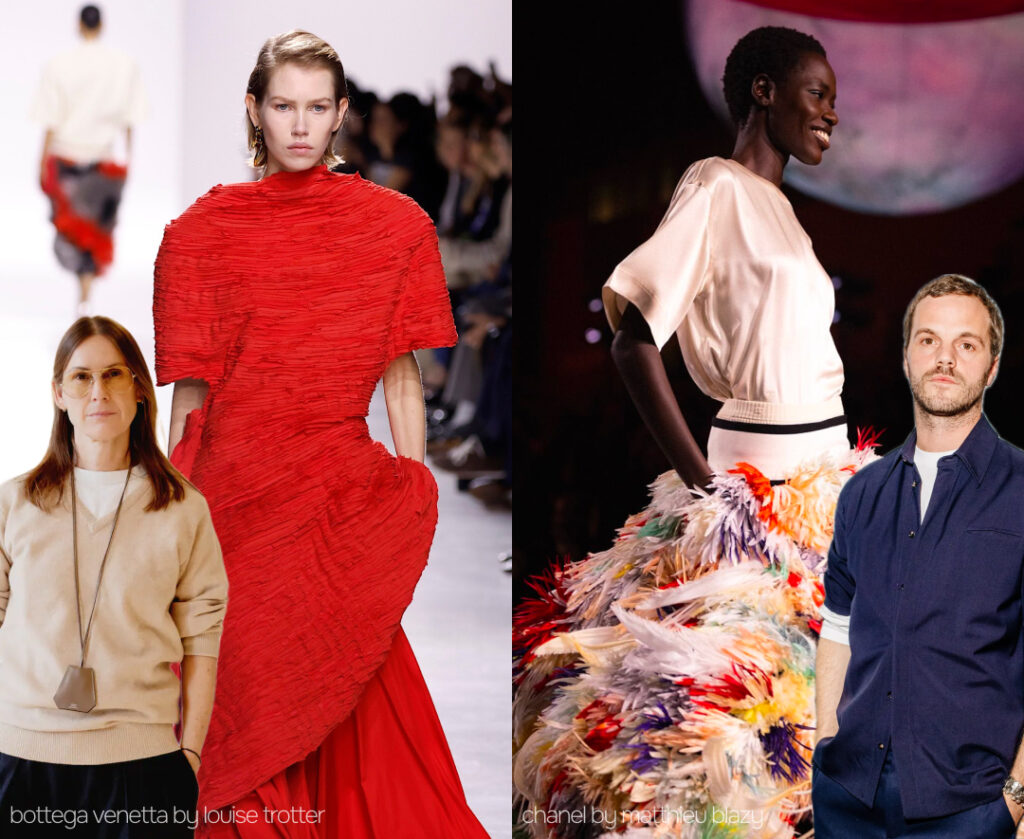
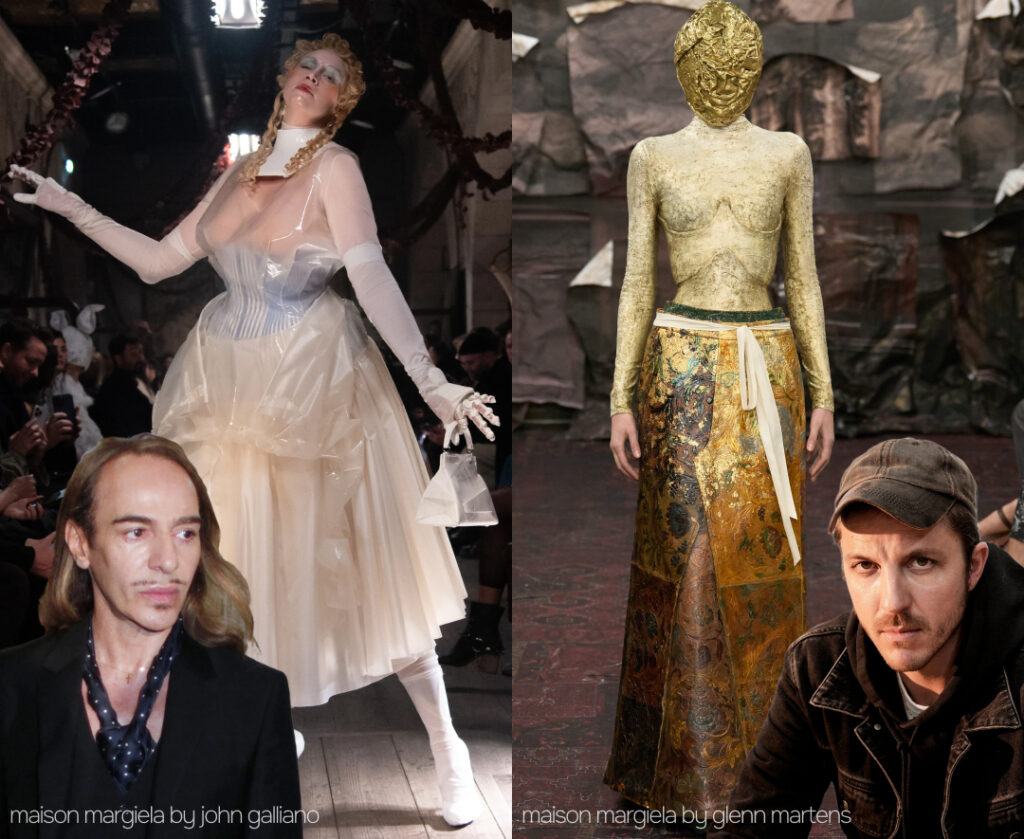
This shift is also becoming apparent at major fashion houses. Instead of maintaining distance, new creative directors are increasingly entering the public sphere. Sabato De Sarno at Gucci, Seán McGirr at Alexander McQueen, Chemena Kamali at Chloé — all three became visible figures immediately upon their appointment.
Brands are emphasizing their presence: they’re showing behind the scenes, filming videos, inviting comments. It’s about building a personal story that the brand is willing to share with the audience. This shift means that even in historic homes, individuality has become part of the new continuity.
in a fragmented world, an author is needed
One of the reasons for this change is the general fragmentation of space. Today, there is no single source of truth, style, or trend. Algorithms create a microcosm for everyone, information comes in streams, attention is scattered.
In such conditions, the designer as the author acts as a guide. He is a figure who helps to read the language of fashion, outlines a framework, provides rhythm. His vision becomes a point of focus, a suggestion for reading time. It is part of a broader demand: for clarity, for an individual perspective, for the feeling that behind the product there is a person who is worth listening to and with whom one can relate.
return to authorial thinking
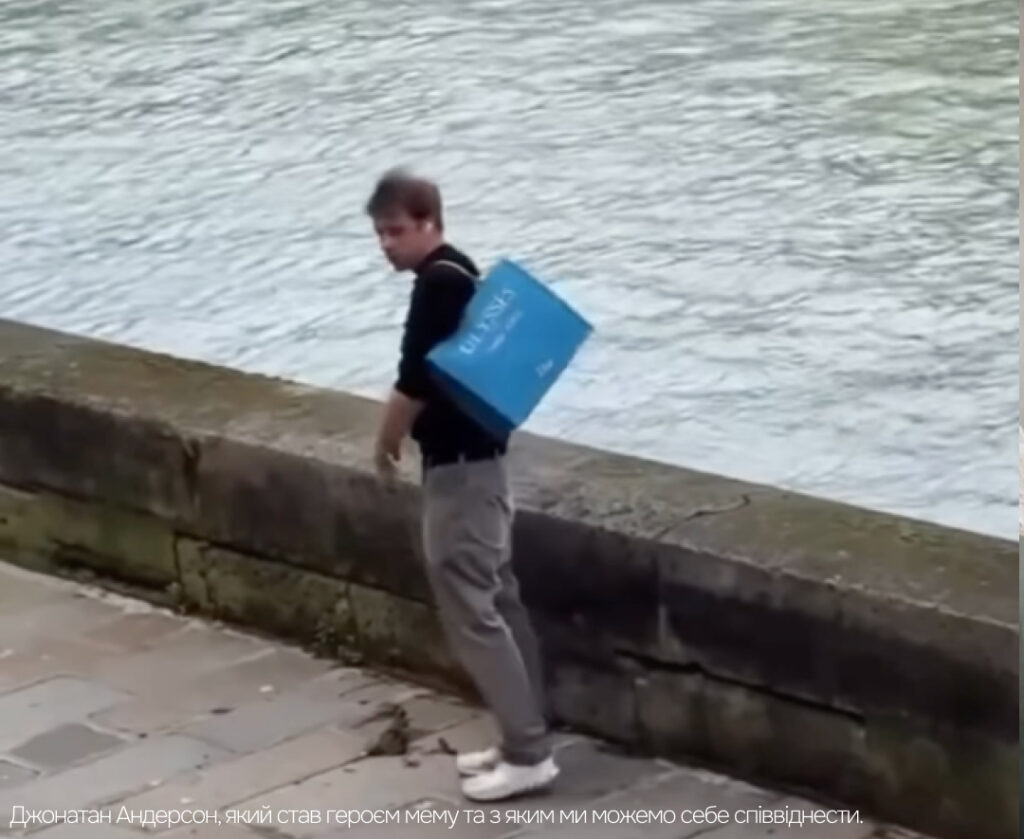
The focus on the designer, in addition to changing the type of communication, is also a signal of a broader cultural movement. We are returning to the value of thought. To the idea that it is important how and why a thing is created. That aesthetics do not exist in a vacuum, they have their own carrier, author, creator. In this sense, modern fashion is returning weight to words and ideas. Attention to designers is part of this process.